
Content of this Article
ToggleThis article is based on my personal experience at the various embassies of the PALOP countries, all located in Lisbon. However, the information shared here generally applies to the consulates spread across Portuguese territory. If you are not a Portuguese citizen, please contact the respective embassies located in your country.
Guinea-Bissau
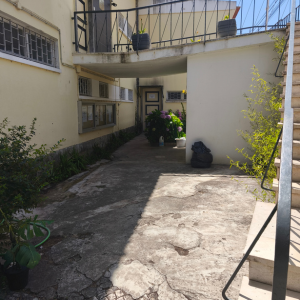
If you’re planning to visit Guinea-Bissau, you’ll need to get a visa. To obtain it, you need to go to the nearest embassy or consulate. In my case, since I live in Lisbon, I went to the embassy.
The process can be somewhat time-consuming: it requires an initial visit to make the payment and leave your passport for 8 days while the visa is issued. Then, you have to return to the embassy to collect your passport with the visa included.
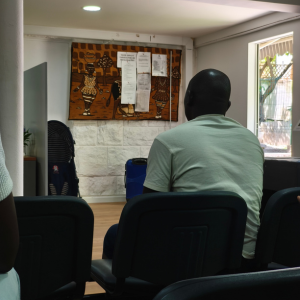
As for the service, there are no numbered tickets (at least on the two occasions I was there), which makes everything a bit confusing. There are two rooms: a smaller one and a larger one, and despite the lack of organization, you won’t be waiting long. You can drop off your passport between 9:30 AM and 2:00 PM, and pick it up from 2:00 PM onwards. And don’t forget: you’ll also need a yellow fever vaccination certificate to enter Guinea-Bissau.
- Cost: €60 (€70 urgent) for 45 days.
- What to Take to the Embassy: passport, photocopy of the passport, photo, and a completed form.
- Location: Lisbon and Porto.
- Contacts: consulado@embaixadagb-pt.com, 213009080 (Lisbon); geral@guinebissau-porto.pt, 222012963 (Porto).
Cape Verde
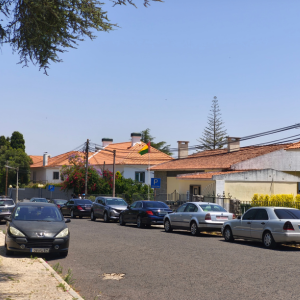
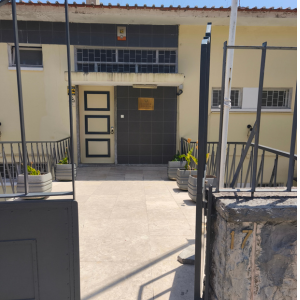
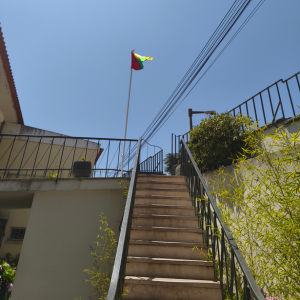
If you plan to stay less than one month in Cape Verde, you don’t need a visa. You just have to complete the traveler pre-registration on the EASE website and pay the Airport Security Tax (TSA). To avoid queues and delays, you can (and should) do this online up to 5 days before your trip. However, if you plan to stay more than one month (as will be my case), you need to get a visa. You can do this online or in person. In both cases, I recommend installing the Consular Portal app.
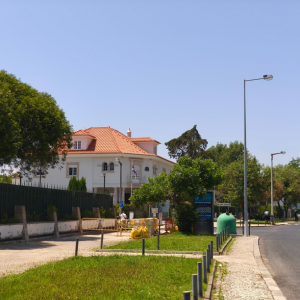
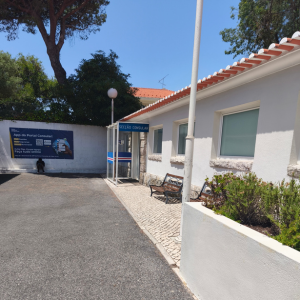
If you choose to go to the embassy in person, through the app you have to register, select “visa,” specify the type of visa, and choose a time to make an appointment. Then, when you arrive at the embassy, you can go straight to the counter (you don’t need to wait in line).
Never go to the embassy without an appointment. I made that mistake: I took a ticket, waited an hour, and ended up giving up. If you make an appointment, you will be attended at the scheduled time or even earlier. The embassy is quite organized and efficient as long as you use the app Portal Consular.
- Airport Security Tax (TSA) Cost: CVE3,400 (approximately €31).
- Visa Cost: €45 for 60 days (even with the visa, you will need to pay the TSA).
- What to Take to the Embassy: passport.
- Location: Lisbon, Porto, Azores, Coimbra, Portimão and Setúbal.
- Contacts: pt.consulado@mnec.gov.cv, 213041440 (Lisbon); consuladocv.porto@gmail.com, 222088346; jacomebb@gmail.com, 295215034 (Azores); consulado.caboverde.coimbra@gmail.com, 239488200 (Coimbra); 282417720 (Portimão); niltonvieira@gmail.com, 265230257.
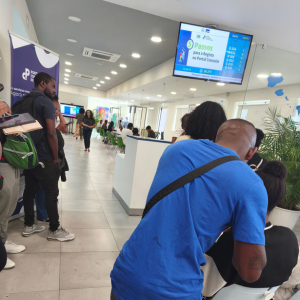
São Tomé and Príncipe
If you’re going to stay up to 14 days in São Tomé and Príncipe, you don’t need a visa. However, if your stay is longer than two weeks, you’ll need to arrange the visa in advance.
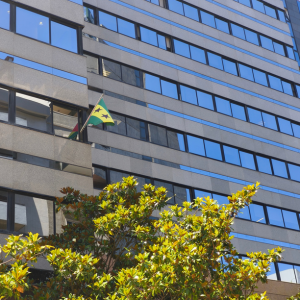
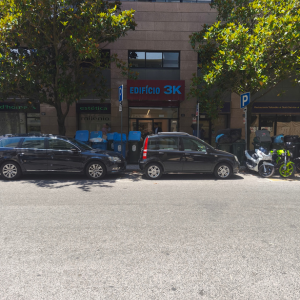
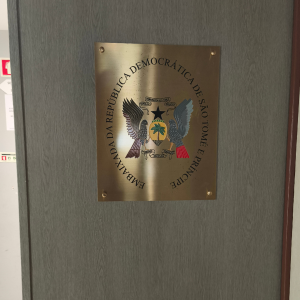
The visa is obtained at the Embassy of São Tomé and Príncipe in Lisbon, but don’t worry. You don’t need to go to the consulate twice (as I’ve heard from some people, especially those living in Porto). To receive the visa, just send an email to consulado@emb-saotomeprincipe.pt with the following documents: a copy of your passport, a photograph, round-trip flight reservation, proof of means of subsistence (for example, a bank statement), form number 3 completed, and proof of payment (send the email with the documents and wait for them to send you a payment reference).
After this, you only need to go to the embassy once. You take a ticket and, as a rule, you’ll receive your visa within an hour. Simple, and fast.
- Cost: €20 for 30 days.
- What to Take to the Embassy: passport. But make sure to send the documents mentioned above by email.
- Location: Lisbon and Porto.
- Contacts: consulado@emb-saotomeprincipe.pt, 218461917 (Lisbon).
Angola
You don’t need a visa for Angola. You can stay in the country for up to 30 days per entry or up to 90 days per year.
- Location: Lisbon and Porto.
- Contacts: info@consuladogeral-angola.pt, 213602060 (Lisbon); consuladogangola@mail.telepac.pt, 222058902 (Porto).
Mozambique
You don’t need a visa for Mozambique. You can stay in the country for up to 30 days per entry and extend it by another 30 days. Upon arrival, you will need to register your entry and pay a fee of 650 Meticais (about €10). For this, you’ll need your round-trip ticket (mandatory, except for land travel) and proof of accommodation.
- Location: Lisbon and Porto.
- Contacts: embamoc.portugal@minec.gov.mz, 213009000; geral@consuladomocambiqueporto.pt, 225377535.


