
Content of this Article
ToggleFor Women, For All
In Guinea-Bissau, but also in Portugal, the Netherlands, the United States, Norway, or Congo, in all countries, without exception, women continue to be victims of abuse, indifference, and lack of regard. And we, men, cannot keep pretending that this doesn’t concern us. They are not less than us. They never were. They are, simply, like us.
If we go back in time: in the Middle Ages, women were not allowed to study or choose whom to marry, and forced and early marriages were common. More than 600 years have passed, and it is still happening. Between the 16th and 18th centuries, the rape of women was seen as a weapon of war or a “conquest.” Today, it still is. In the last century, thousands of women fought for the right to vote, to education, and to their freedom, and in the 21st century, in far too many countries, these rights are still being denied to them.
We are talking about domestic violence, sexual violence, forced marriage, child marriage, and female genital mutilation. We are talking about women who need a man's permission to study, work, or travel. We are talking about laws and rules that dictate what they can wear. We are talking about unequal pay for the same work. We are talking about the prohibition of going to school. We are talking about rape victims who are often seen as the ones to blame. All practices of a past that is still very present to which we must now add the growing hate speech against women spreading across social media.
Regardless of color or ethnicity, country or continent, religion or beliefs, women are always the ones who suffer the most and fight the hardest. This is a fight for all of us, human beings, and not just for women.
Facts Don't Lie
13% is the percentage of women parliamentarians in Guinea-Bissau since 1994. ( African Risk Capacity, 2024 )
26% of women aged 20 to 24 were married or in a union before the age of 18 in Guinea-Bissau. ( UNICEF, 2024 )
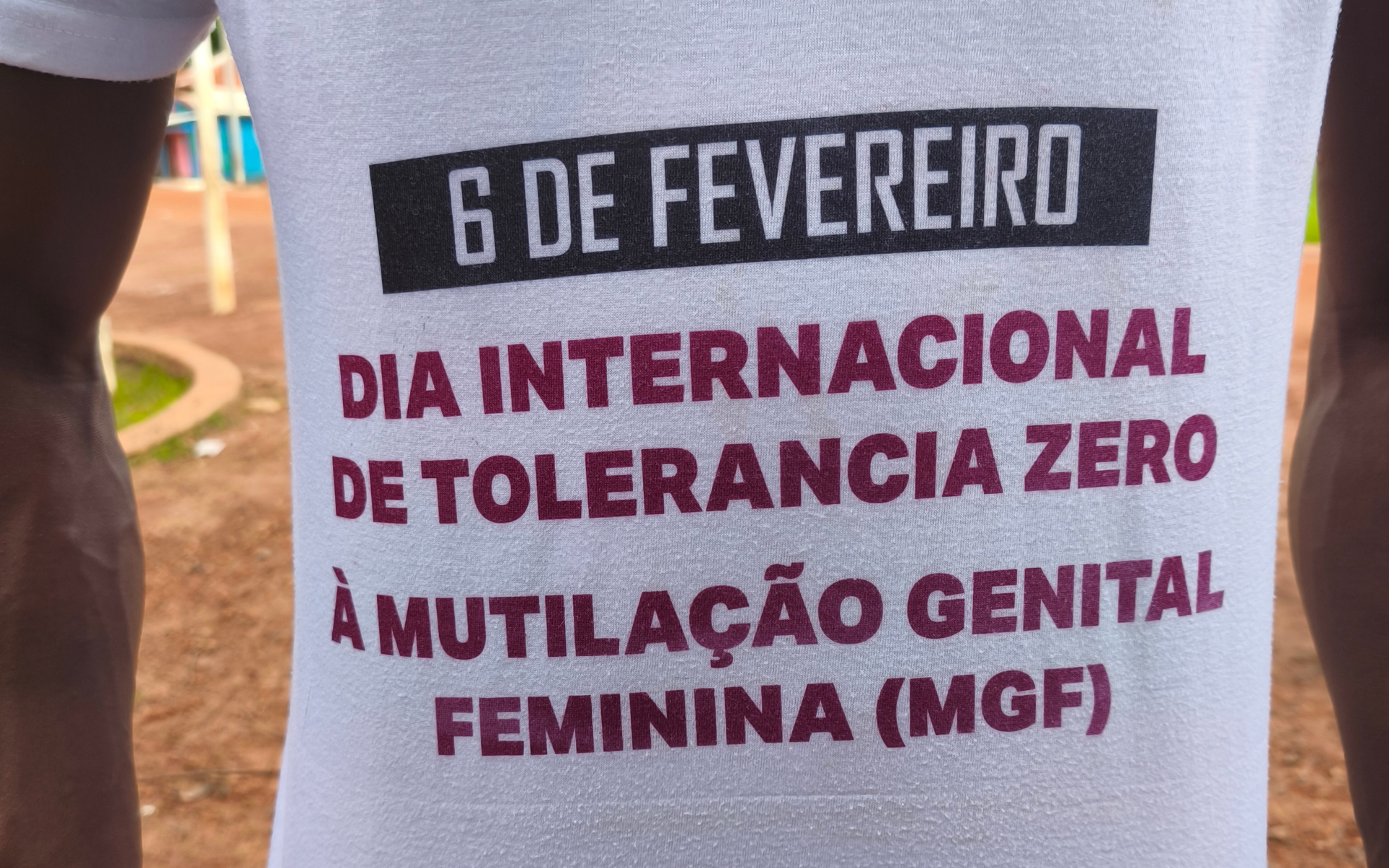
30% of girls between the ages of 0 and 14 have undergone female genital mutilation in Guinea-Bissau. ( UNICEF, 2024 )
97% of women have been victims of gender-based violence in the past 8 years in Guinea-Bissau. ( World Bank Group, 2023 )
1 woman is killed every 10 minutes by a partner or family member worldwide . ( UN Women, 2025 )
20% is how much less women earn than men for the same type of work. ( UN Women, 2025 )
25% of countries recorded a rollback in women's rights. ( UN Women, 2025 )
30% of women worldwide have experienced physical or sexual violence during their lifetime. ( World Health Organization, 2024 )
75% of parliamentarians worldwide are men, and 103 countries have never had a woman as head of state. ( UN Women, 2025 )
Interview: The Struggle of the Indispensable Women
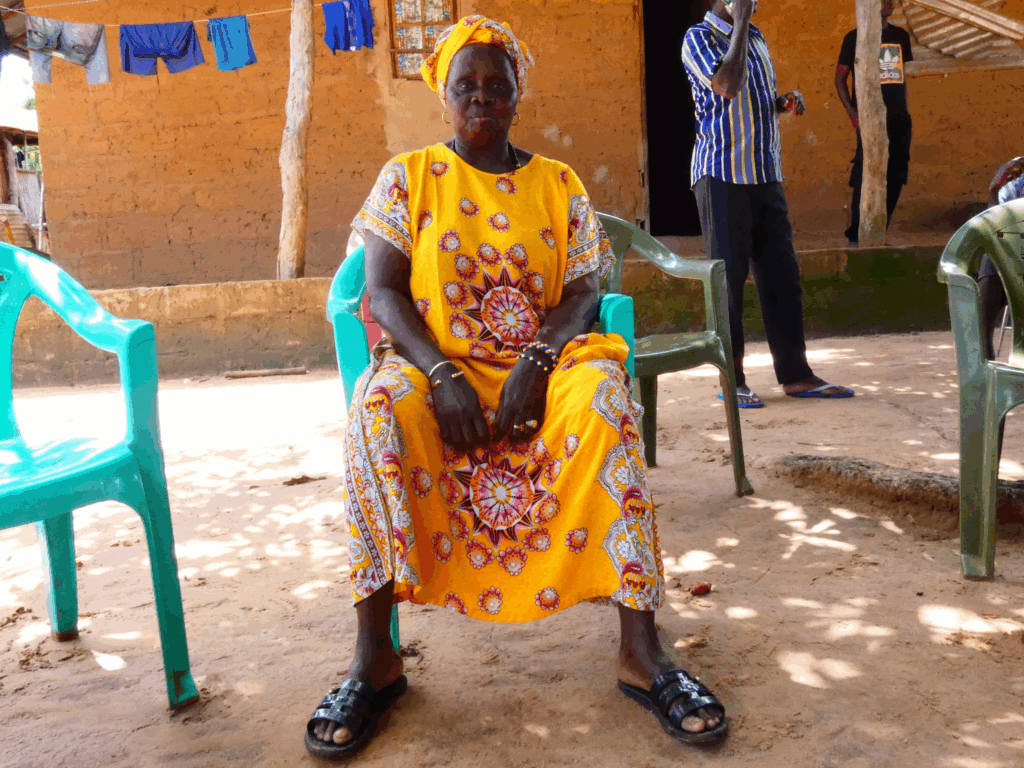
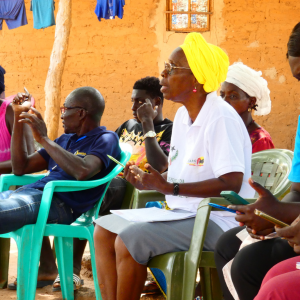
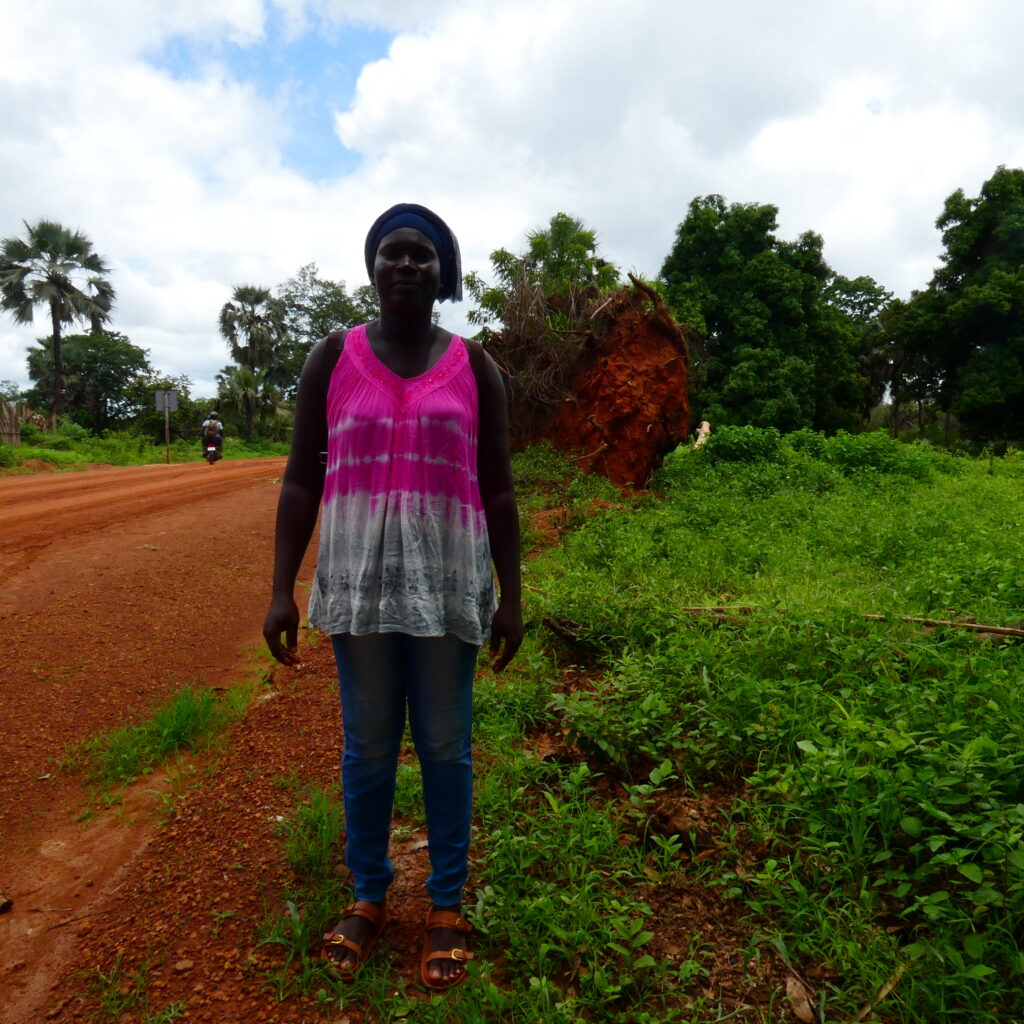
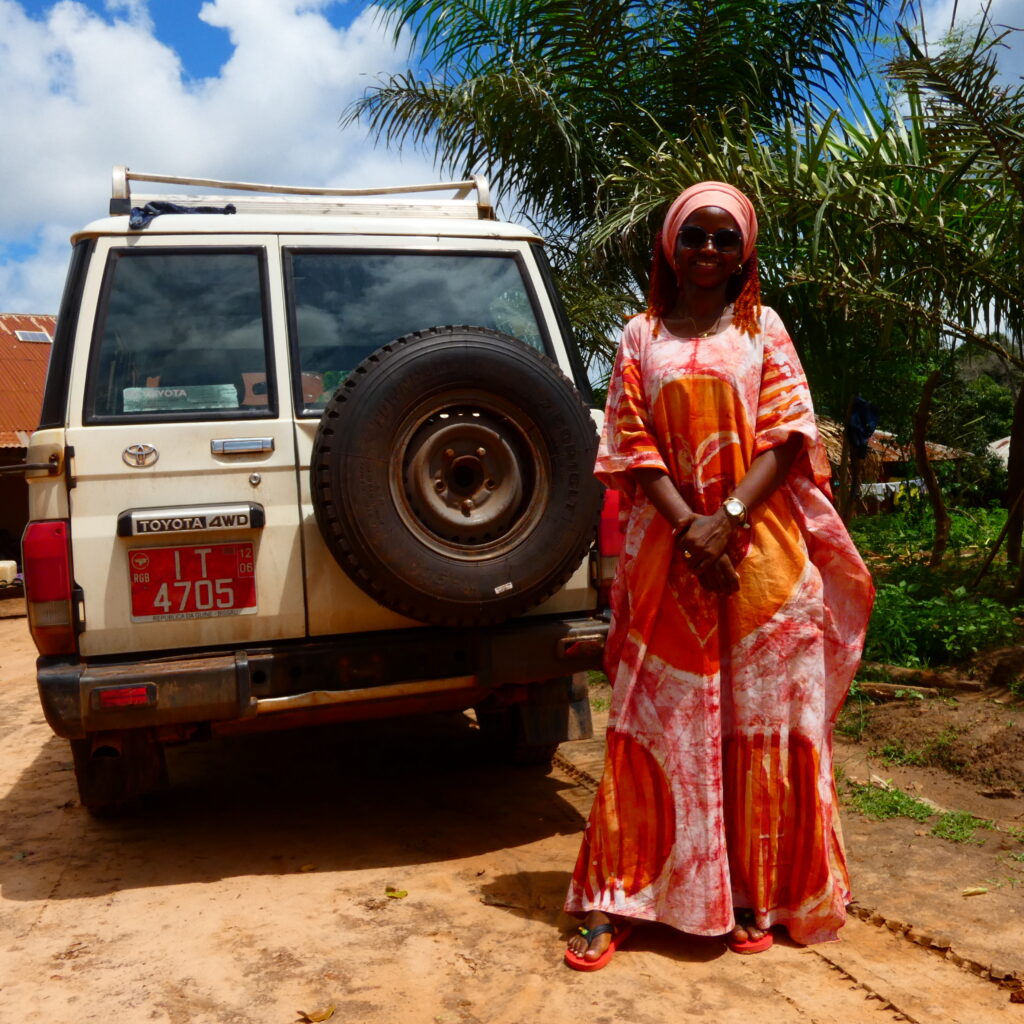
Eva Joãozinho Quim is a facilitator at Associação Protege. Of Balanta origin, one of the communities where female genital mutilation is most prevalent in the country, she fights for gender equality and the end of this practice.
Aissa Cali is a journalist at Rádio Capital. She works with the National Committee for the Abandonment of Harmful Practices. She promotes awareness campaigns in communities where women are most affected.
What does it mean to be a woman in Guinea-Bissau?
(Eva) In Guinea-Bissau, being a woman is not easy. Here, women work very hard and make great sacrifices to support their children.
(Aissa) Being a woman in Guinea-Bissau means being a true example of daily resilience. Guinean women face countless barriers and challenges: caring for children, going to work… In many regions of the country, it is said that the woman is the homemaker: she is the one who must take on all domestic tasks like cooking, washing dishes, cleaning the house, and looking after the children. But the reality is that, beyond these responsibilities, women also need to study and work. We have to fight so that the rights of women and men are recognized as equal. We cannot accept that, in a household with a boy and a girl, only the girl is responsible for household chores while the boy can play soccer, study, and rest.
Guinea-Bissau is one of the countries with the highest incidence of female genital mutilation. What measures have been taken to combat this practice?
(Eva) There are many ethnic groups that still maintain this practice. The only way to reduce it is through awareness campaigns and projects that work directly with the communities. Only then is change possible.
(Aissa) It is a challenging task. However, we are developing awareness and training sessions in communities, both in different regions and in some neighborhoods of the capital. The goal is to help people distinguish cultural practices from the well-being and health of women. When a practice is harmful to health, it is better to abandon it. We have been running radio programs with awareness messages about abandoning harmful practices, with a particular focus on Female Genital Mutilation. These programs are broadcast daily on five radio stations: four community radios in the Bafatá and Gabú regions, and one private radio station in Bissau.
And what about forced marriages?
(Eva) In the past, they were much more common. However, thanks to awareness campaigns within communities, the rate of early marriages has been decreasing. These actions have also encouraged girls to attend school more and more. But the effort must continue. It is not easy, but it is necessary. When we reach the communities, many people tell us that it is a tradition and a cultural practice that has lasted for many years. Still, we have to work to reduce these practices.
(Aissa) As I mentioned before, it is a challenging task. Everyone has their own way of understanding these issues. When someone is born and grows up with certain ideas that are part of culture and tradition, and sees them as mandatory, changing this mindset is a long process. However, thanks to the work of many people in the communities, progress is being made.
What do you consider to be the greatest struggle as a woman?
(Eva) Education. Only through the education of women can we move forward. When a person has knowledge, they can distinguish what is right from what is wrong. It is essential to invest in a solid and quality education for all. I belong to the Balanta ethnic group, but I was not subjected to genital mutilation. I married a Muslim man, and according to tradition, I should have undergone that process. Fortunately, neither I nor my daughter did. I fought against this practice. Today, women talk to us about how they feel, discuss their rights, and already recognize the importance of making themselves heard, seen, and of taking action. Women are increasingly aware of their rights.
(Aissa) It is a constant challenge. The Guinean woman represents a true example of overcoming adversity. She is the example of waking up early and taking initiative, of someone who works to achieve her goals without waiting for anyone. She is both mother and father at the same time, someone who moves life forward alone. The Guinean woman is a reflection of strength, resilience, and the ability to fight alone for everything she desires.
Real Case: From Dream to Nightmare
This story is true. Out of respect for the person involved, their name and the organizations mentioned have been changed. Everything else is real.
At 6 years old, Adama’s parents separated, and she was left in the care of her uncle. In the village where she lived, there was not a single secondary school, so she walked 12 kilometers every day to the high school. Her greatest dream was to study and finish secondary school. Unfortunately, something changed.
One day, after classes, her uncle came to pick her up from school. On the way, he told her that he had already found her a "husband" and that she was going to get married in two weeks. Adama had never met this man, who was 53 years old, had 2 wives, and 5 children. She refused, saying she wanted to continue studying. Hearing her response, the uncle assaulted her and prevented her from going to school.
Later, Adama discovered the reason for the marriage: some time ago, her uncle had borrowed a cow from an acquaintance for a traditional ceremony called Toca Tchur (a traditional ceremony of the Balanta ethnic group. It involves, for example, the sacrifice of livestock, such as cows or pigs, to honor the ancestors). Since he had no means to return the animal, he decided to "compensate" by offering his niece as his wife.
On the eve of the wedding, fearing that Adama would run away, her uncle tied her hands and feet and locked her in a room. Her brother, realizing what was happening, waited for the uncle to fall asleep, untied his sister’s ropes, and helped her escape to the Defender Association.
Adama is just one of millions of girls who suffer from early marriage. It cannot continue like this. Enough of violations and being accomplices to them, enough of harassment and trying to justify it, enough of forced and early marriages. Enough of saying, “but nowadays, they have more advantages,” because it is not true. The data shows precisely the opposite. Enough of justifying everything with culture or religion. When we talk about women's rights, we are not talking about culture or tradition; we are talking about human rights. This fight is not only for women. It is also for men, for all human beings.


