
Content of this Article
ToggleGuinea-Bissau: Practical Tips from Someone Who Lived There
“Finally, what I had been dreaming of for so many months was about to become a reality. 3:40 a.m. I woke up, not to the sound of my alarm, but to my father’s footsteps in the hallway. I had slept for only an hour. The stress, nervousness, and anxiety of the previous day had kept me from getting any rest. And suddenly, a thought crossed my mind: I’m not ready. Two years spent preparing this project… yet I felt as though I needed more time. One month, three months, a year… who knows.” (11/07)
I was almost in Guinea-Bissau. Little did I know what lay ahead. It's true. I wasn't 100% prepared. Not even 90, 80, or 70%. But this was the project I wanted to do, the project I'd spent two years preparing for. And even with just one hour of sleep, I felt happy. Genuinely happy and eager to get started.
First Impression
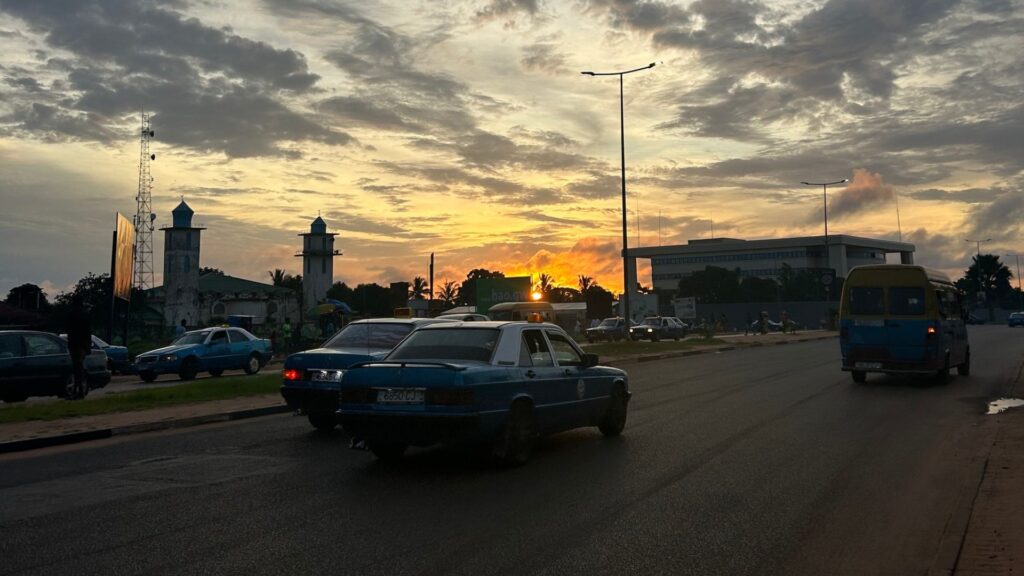
“Guinea-Bissau reminded me of Cuba, even though I’ve never been there. Old cars, lots of people… but above all, so much poverty. A kind of poverty that saddens you, that hurts, and leaves an even deeper ache when children are involved. At the same time, Bissau is a simple city. Public transport (toca-tocas) actually works, although it’s a bit unusual. Cars honk their horns every five seconds. On streets that seem straight out of an old movie, dogs, goats, chickens, cats, pigs… and we humans all coexist. An almost perfect harmony, made deeply imperfect by poverty.” (11 July)
What to Visit in Guinea-Bissau?
Most of the places I recommend are ones I had the opportunity to visit myself. Here, I share my personal experiences at each of them, along with the emotions and feelings these places evoked in me. I may also suggest places I haven’t visited, clearly marking them as “Not Visited” and including links to websites where others who have explored them share their experiences.
I spent 21 days in Guinea-Bissau, most of them in Bairro Militar, a neighbourhood in Bissau, working with Associação Protege, an organisation doing remarkable work to promote and raise awareness of human rights. Together with this organisation, I travelled to several tabancas (traditional villages) in the Ingoré area, where I took part in awareness-raising activities focused on preventing female genital mutilation (FGM). On a more tourist-oriented note, I also had the opportunity to visit the island of Bubaque, in the Bijagós Archipelago.
Bissau
Old Town
It is reminiscent of traditional Portuguese architecture, reflecting the country’s colonial past: narrow streets and old houses. Some buildings are visibly in poor condition, with balconies that look as though they could collapse at any moment.Lots of colour, few people.
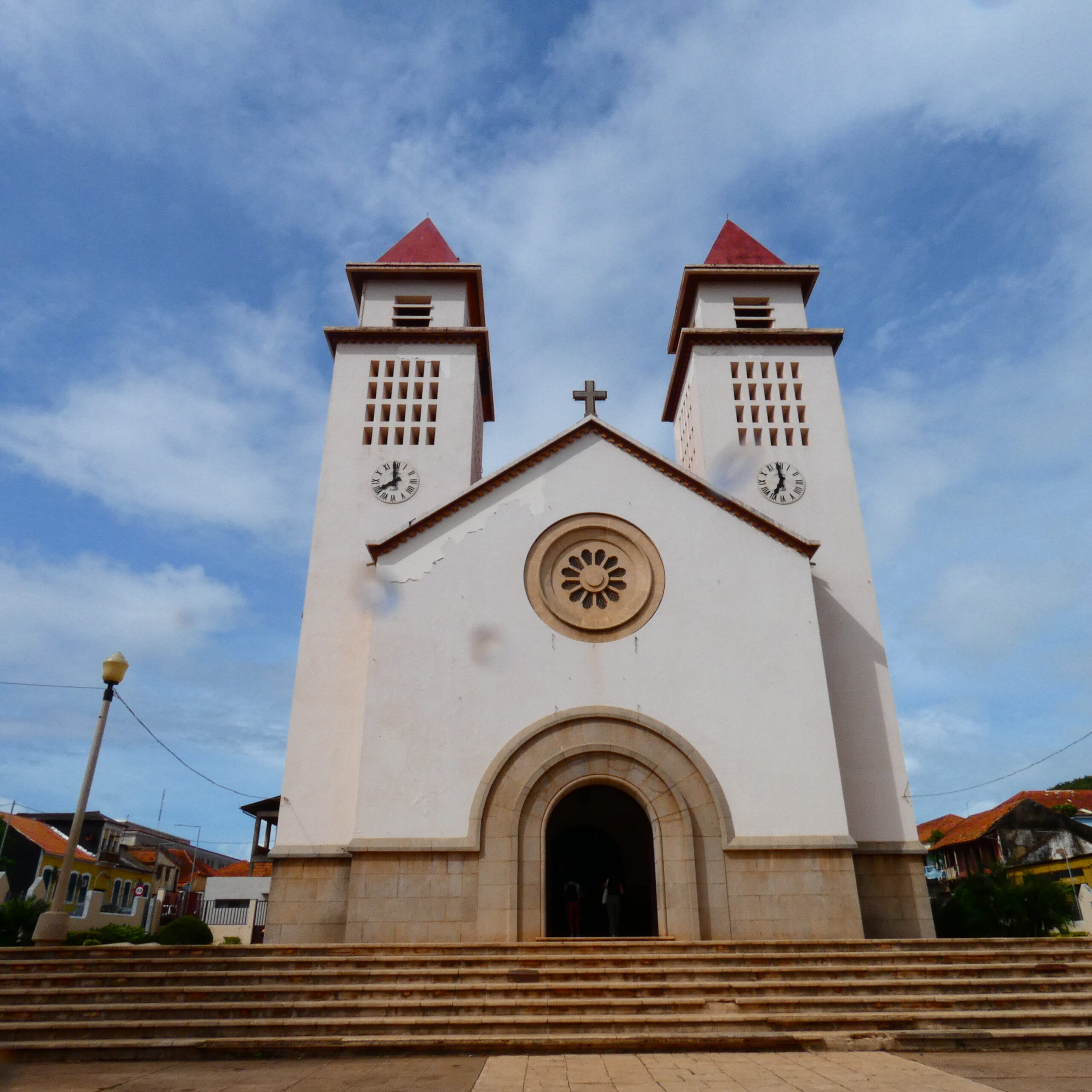
Bissau Cathedral
Built in 1950, it is a Roman Catholic church. Both the exterior and interior are simple, without much extravagance. The north tower serves as a lighthouse for the Port of Bissau.
Bandim Market
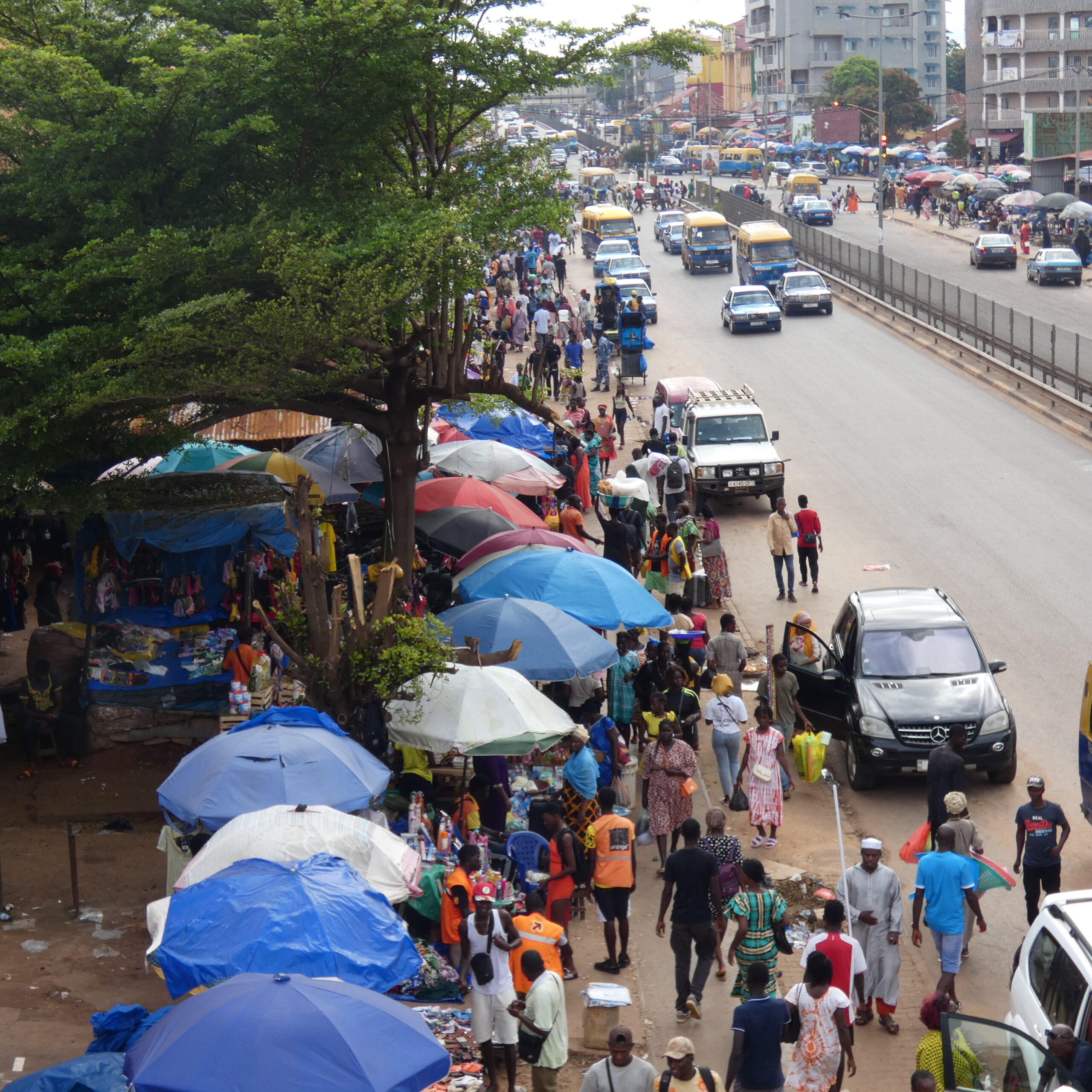
As the people of Guinea-Bissau often call it, the “Chapa” of Bissau. The day starts early at this market, at 6 a.m. A large part of the population relies on it for their livelihood, and it is considered one of the pillars of the country’s economy.
Presidential Palace
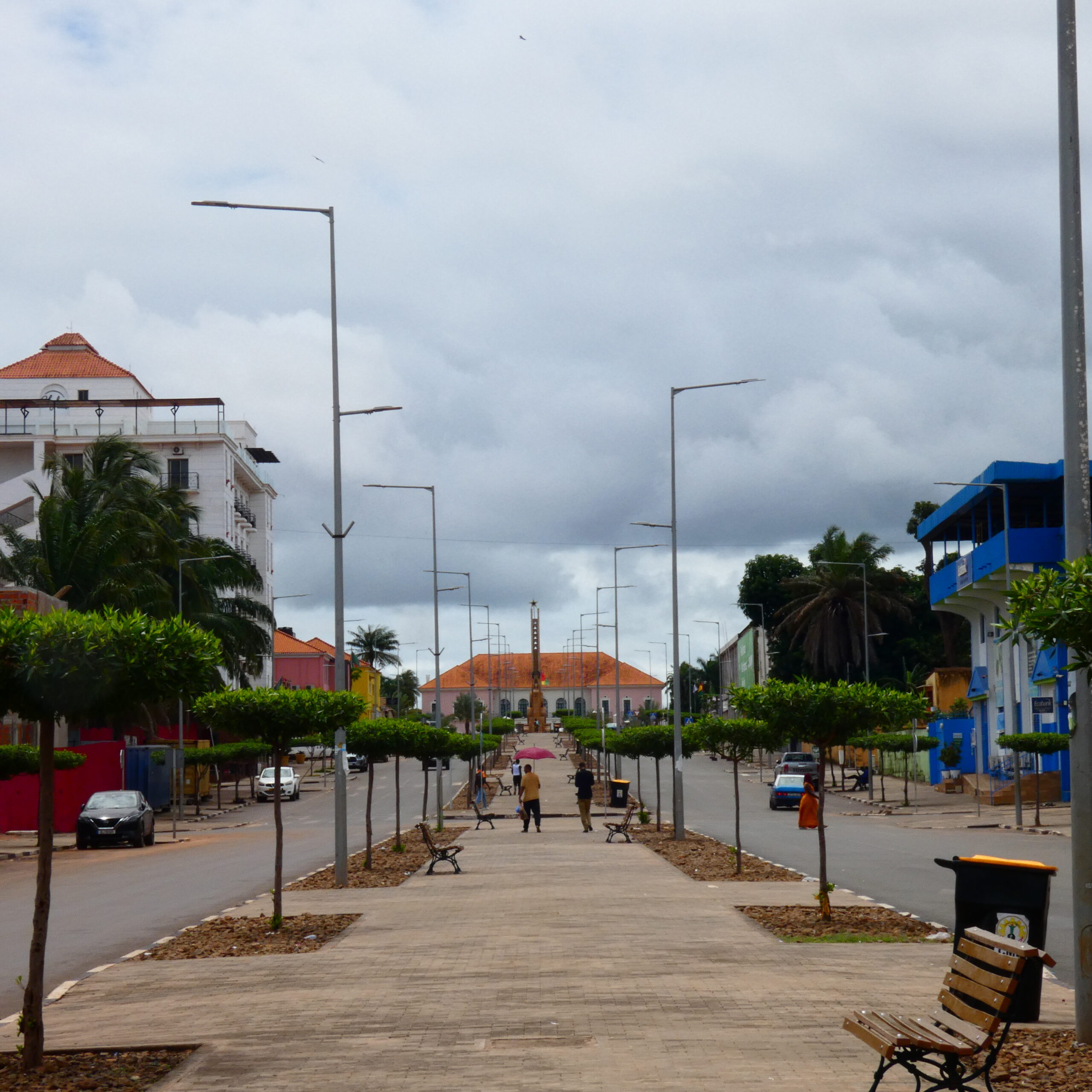
Also known as the Palace of the Republic, it is hard to miss. Built by Portugal during the colonial period, it is the official residence of the President of the Republic.
Neighborhood "Militar"
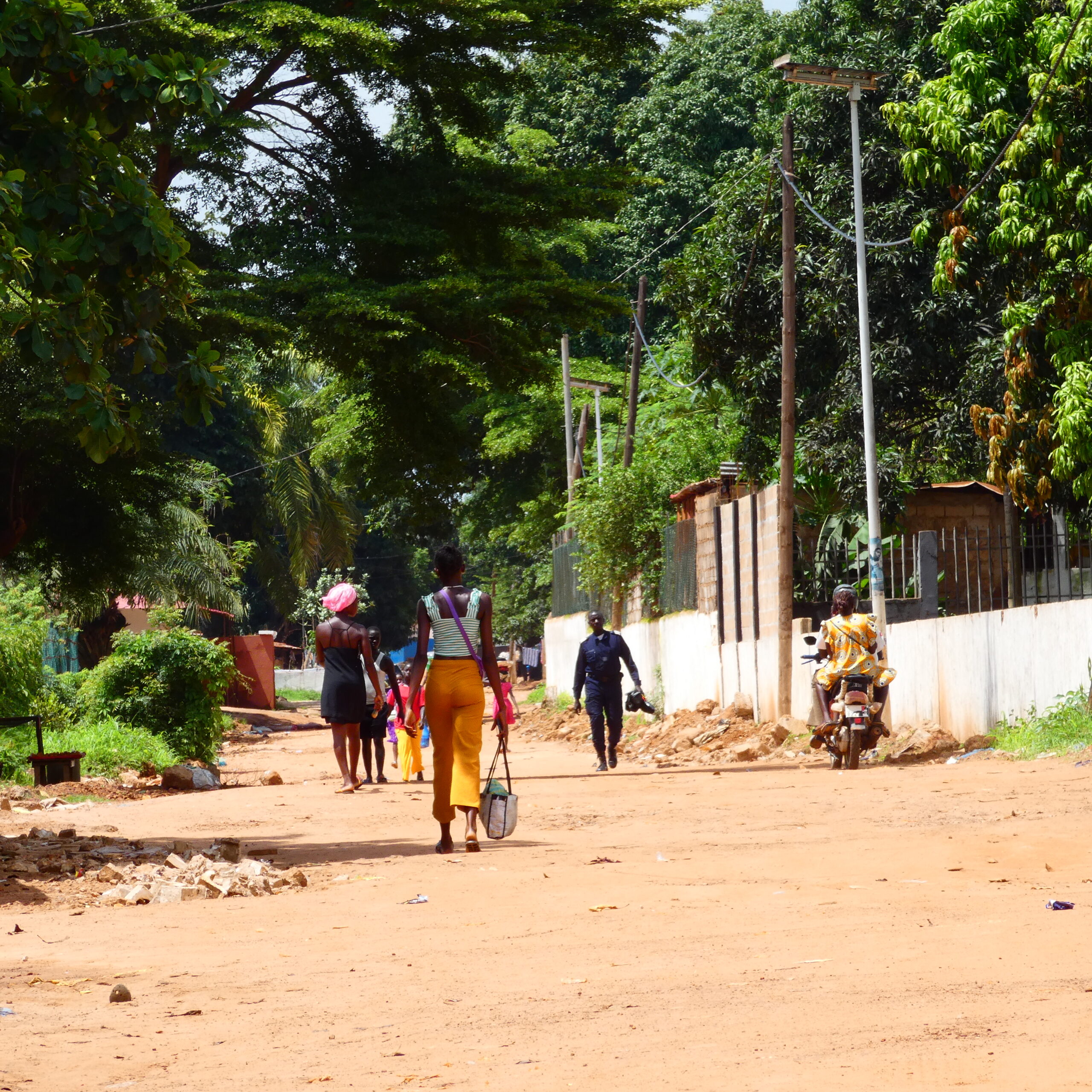
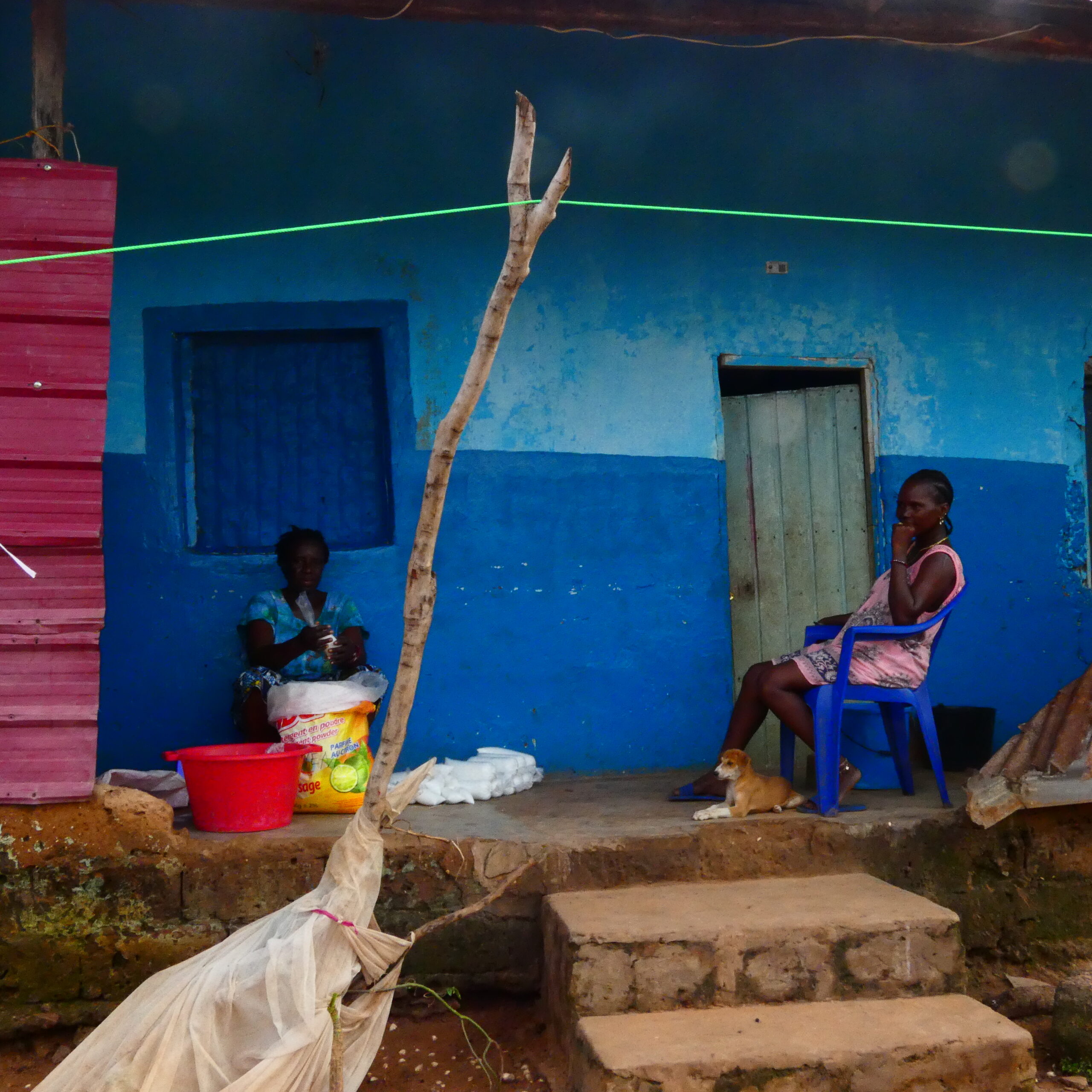
In my opinion, and perhaps this sounds a little cliché, when we visit a country, we shouldn’t limit ourselves to tourist attractions. We should also try to experience the true reality of the place. Bairro Militar offers a revealing glimpse into everyday life in Guinea-Bissau. It’s a poor neighbourhood where women work while men sit around, where girls help with household chores and boys play football. You’ll come across plenty of chickens, goats and pigs. You’ll probably hear quite a few comments directed your way, but overall, it’s a safe place (at least during the day) and comfortable enough to explore on foot, despite the mud. I’d even go as far as saying that Bairro Militar is the most important place to visit, as the city centre doesn’t reflect the reality of life for most people in Bissau or Guinea-Bissau as a whole.
Association "Protege"
Why not make a difference with an organisation that protects and celebrates meaningful differences? Associação Protege is a non-profit organisation whose main mission is to protect and defend human rights. Through awareness-raising sessions within local communities, the organisation has been working to help end practices such as female genital mutilation (FGM) and child and early marriage, safeguarding the rights of children and adults alike.
Bubaque, Bijagós
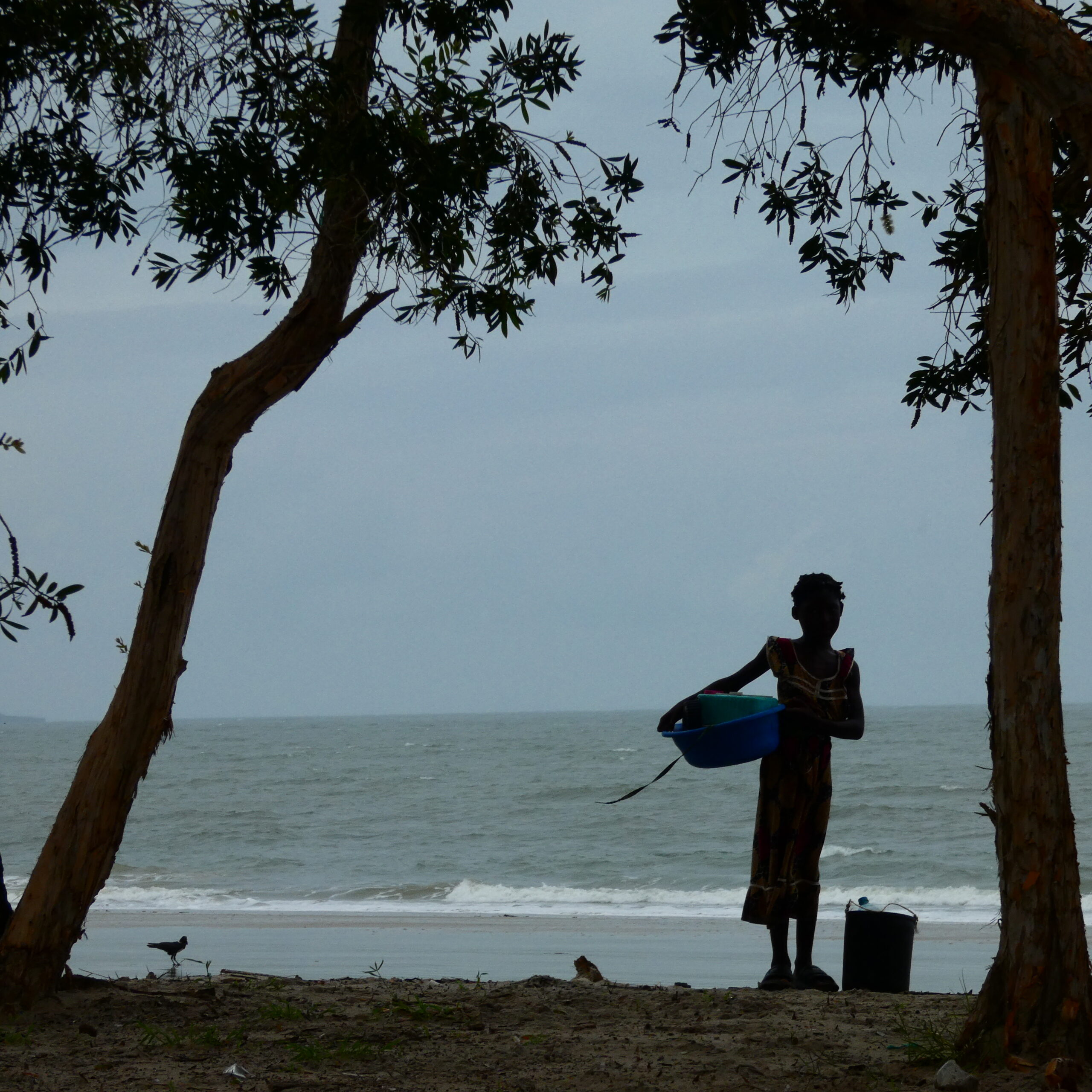
Bubaque is a paradise amid so much poverty. Saying “good morning” whenever you cross paths with someone is a must. The people are friendly, always greeting you with a smile from ear to ear.
Bruce Beach
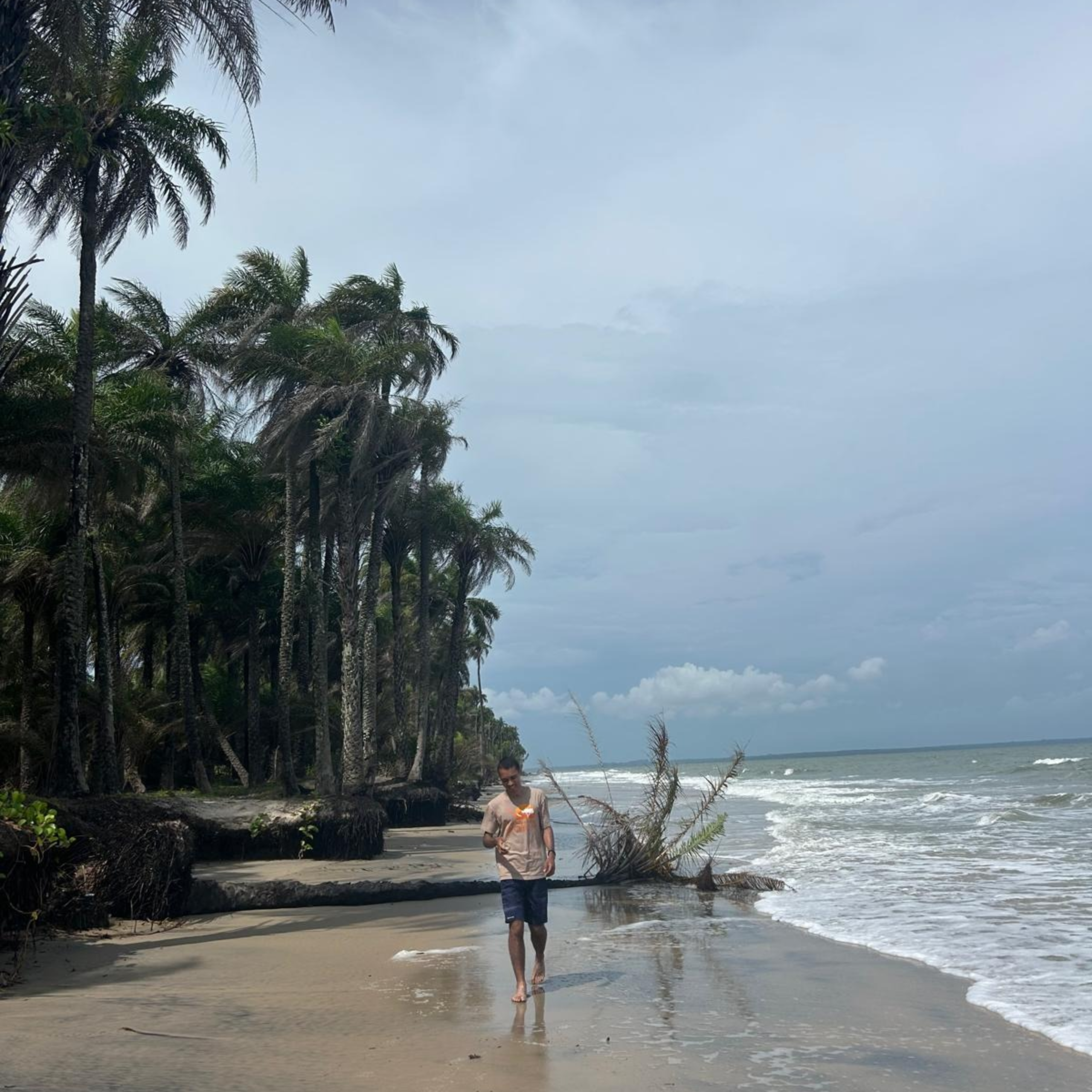
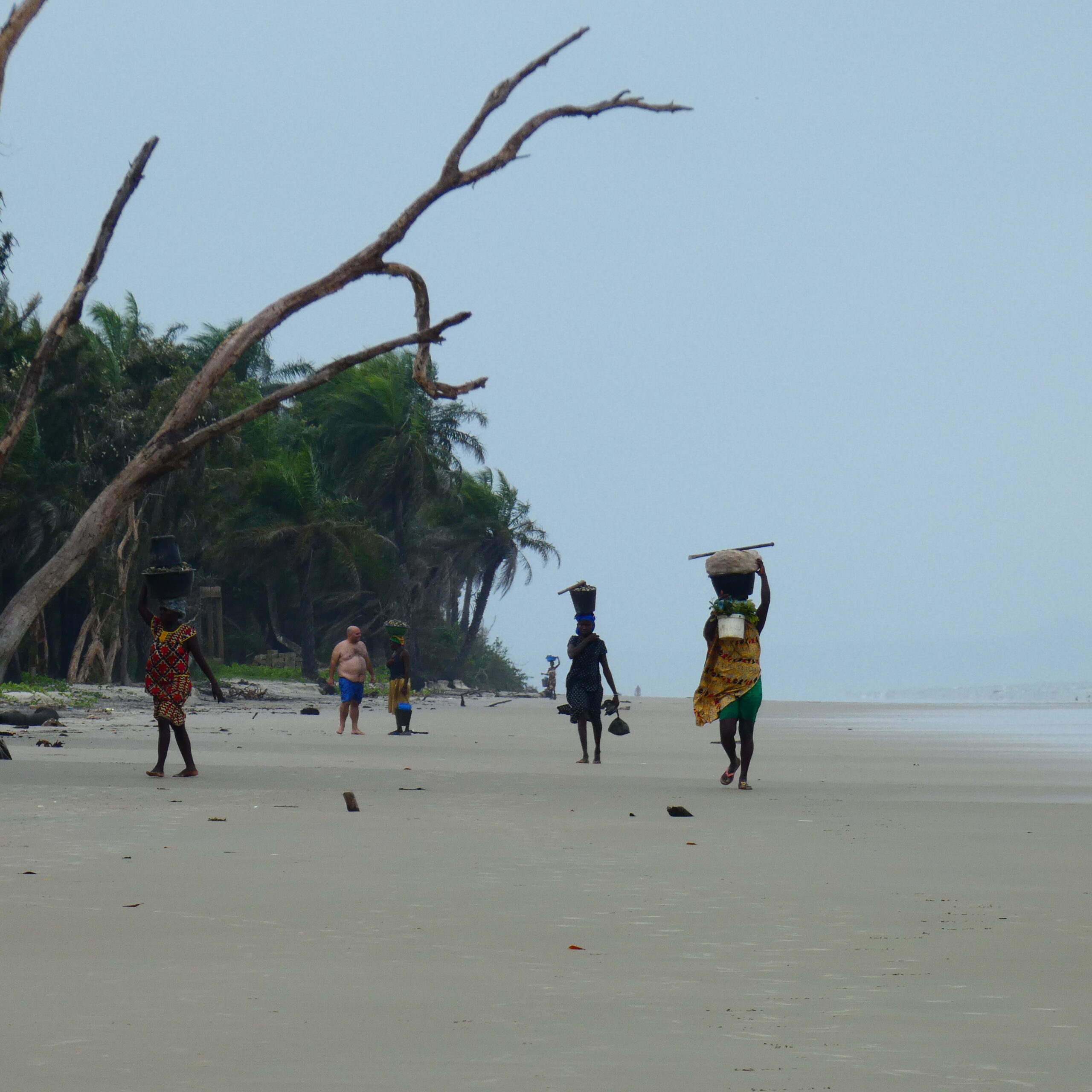
One of the best beaches I’ve ever been to. Since I visited during the rainy season, I found a beach that was deserted yet full of life. Whenever I came across someone, despite them speaking a native language very different from Portuguese, each encounter had its own unique story to tell.
Bring some food, because when I was there, none of the restaurants were open. Pack a book and some headphones to soak up the peace, tranquillity and beauty of this stunning beach.
Bubaque Village
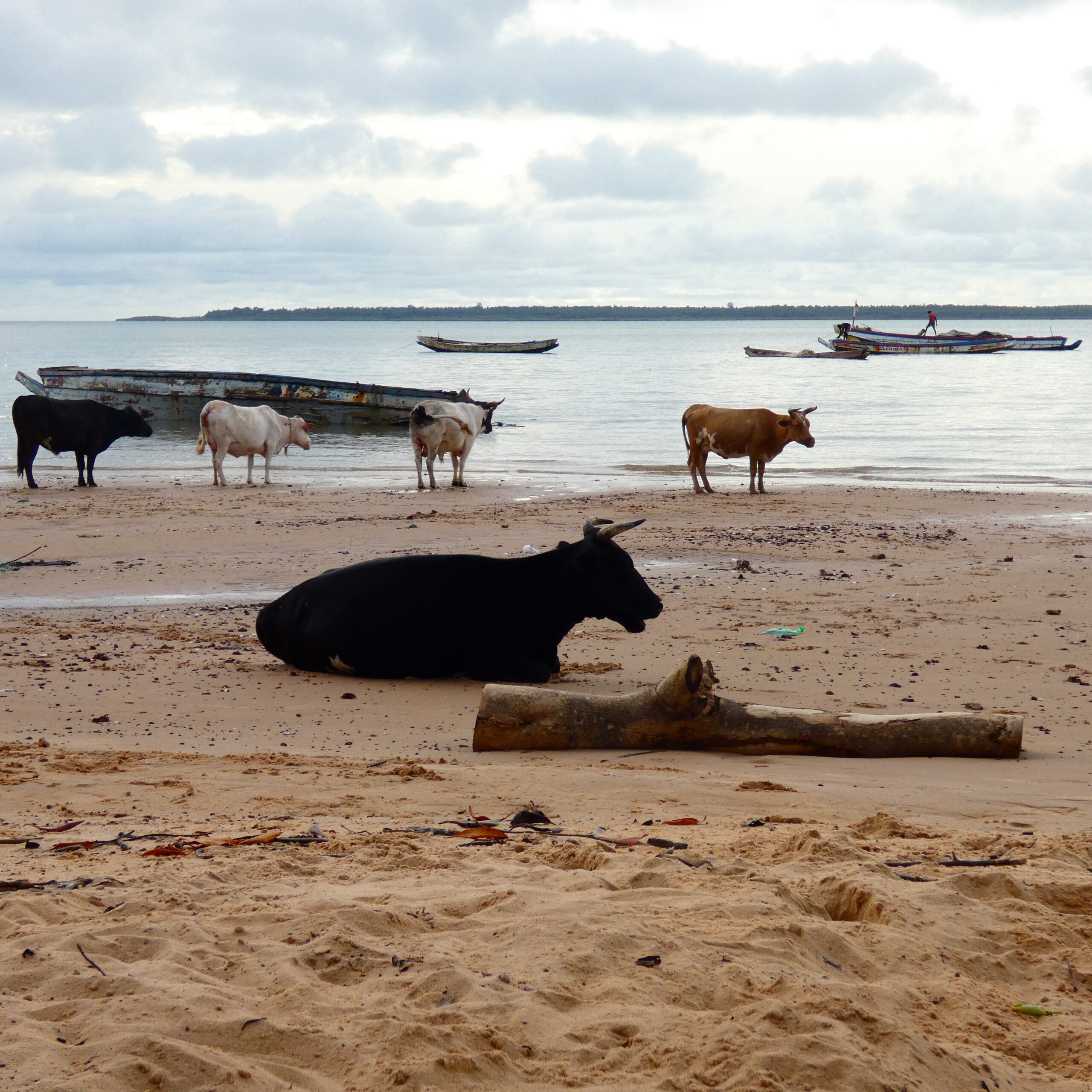
Once again, as it was the rainy season, not many places were open. You’ll find a sort of mini Auchan supermarket there, the only one I remember seeing in the area (although there may be others), as well as a few restaurants where you can enjoy some delicious fresh fish. This is also where most of the guesthouses are located, and it’s common to see animals roaming freely among the locals.
Two Suggestions
Visit other beaches, such as Praia Cioci, or simply go for a walk, get lost and see where you end up. On one of the days I spent in Bubaque, that’s exactly what I did. I decided to follow a group of nuns who were happily singing as they walked, and I ended up discovering a beach with several cows roaming around, something I thought you’d only find in India. Along the way, I also met a few people and tried to strike up conversations with them. It was a happy and unusual day, one I’d recommend to anyone looking for a more authentic local experience.
Other Islands in Bijagós
Recently designated a UNESCO World Heritage Site (July 2025), the Bijagós Archipelago still has many islands waiting to be explored. As I visited during the rainy season, access to the islands was limited, so I had to focus my stay on Bubaque.
Nevertheless, given the significance of the rest of the archipelago, I'd like to share an article by Alma de Viajante where you can find more detailed information. From islands home to wild hippos, such as Orango, to islands with unique and remarkable architectural heritage, such as Bolama, the archipelago has so much more to offer.
Bolama Island: once the capital of Portuguese Guinea, Bolama is home to a unique and magnificent architectural heritage. Transport is available from Bissau, although the journey can be rather long.
Orango Island: it is the island furthest from the mainland. Here, you’ll have the opportunity to observe a unique population of saltwater hippos. As far as I know, the island is only accessible by private transport.
Bigene
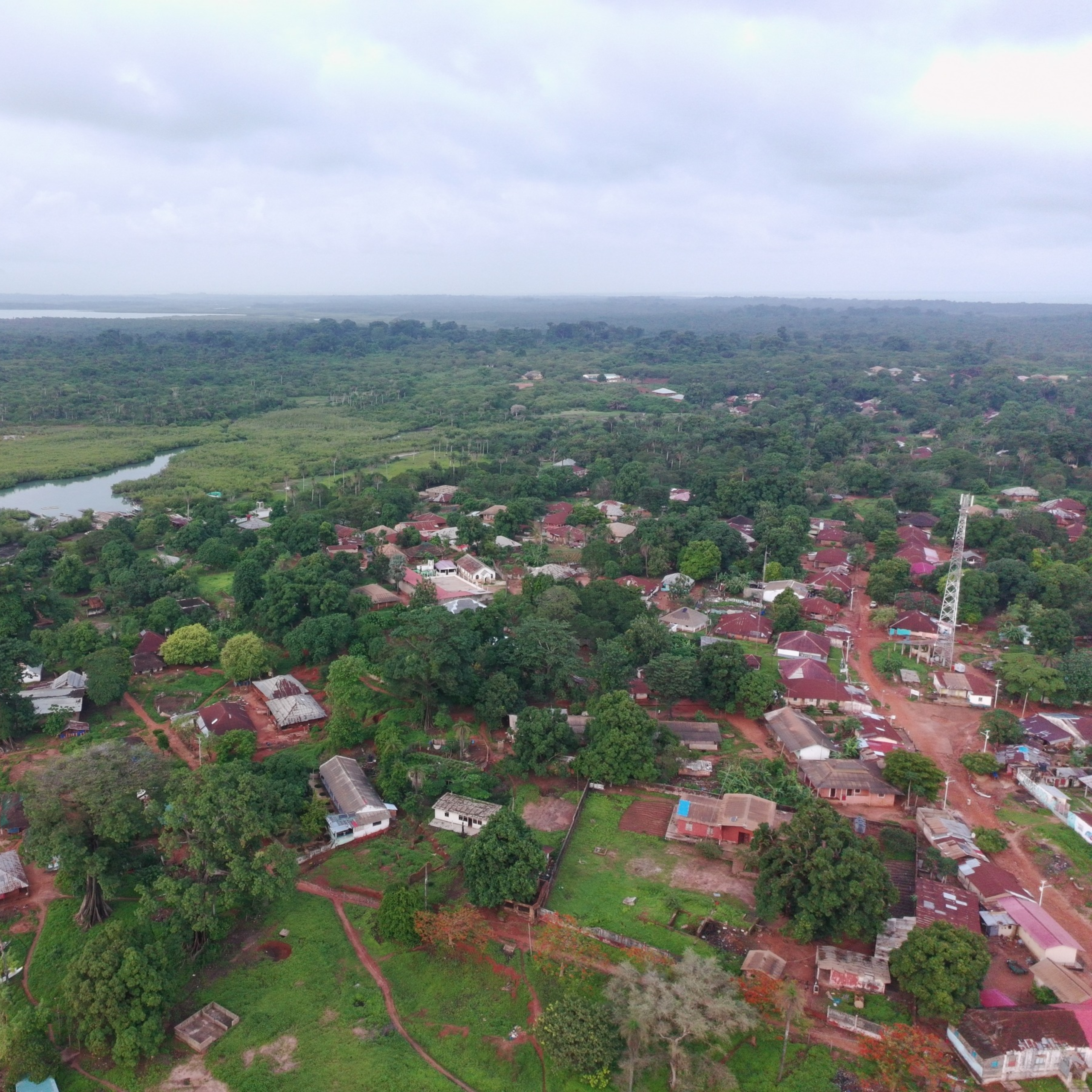
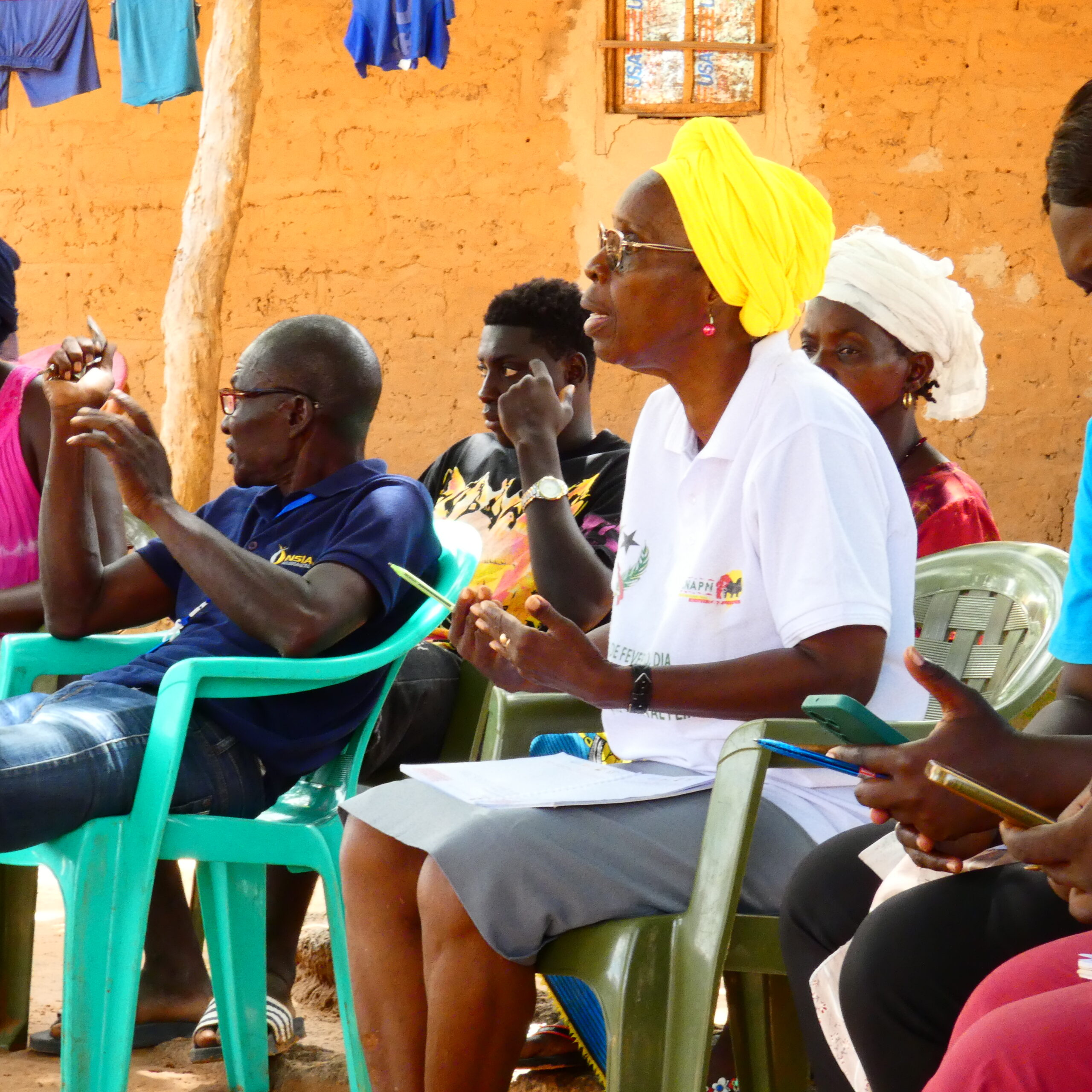
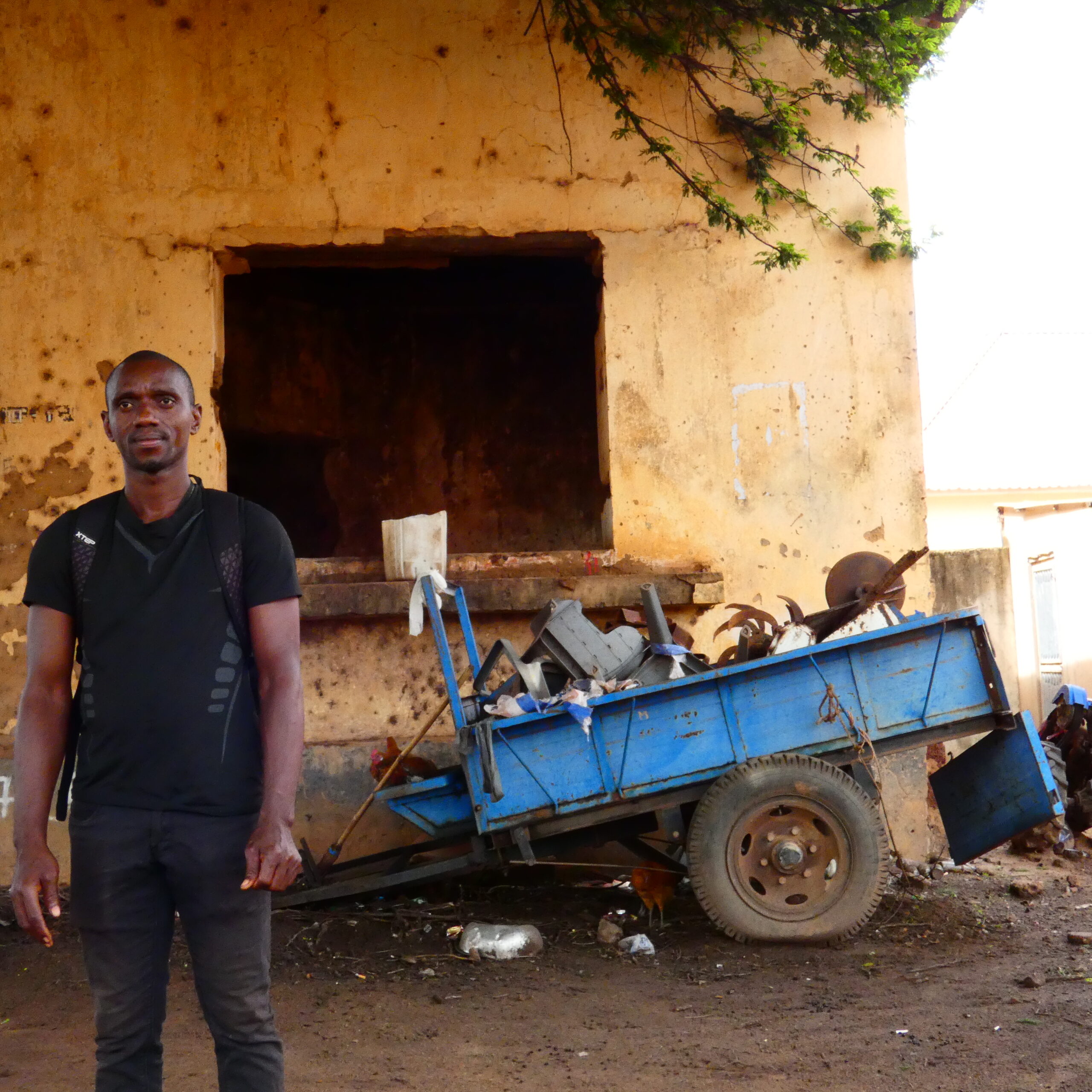
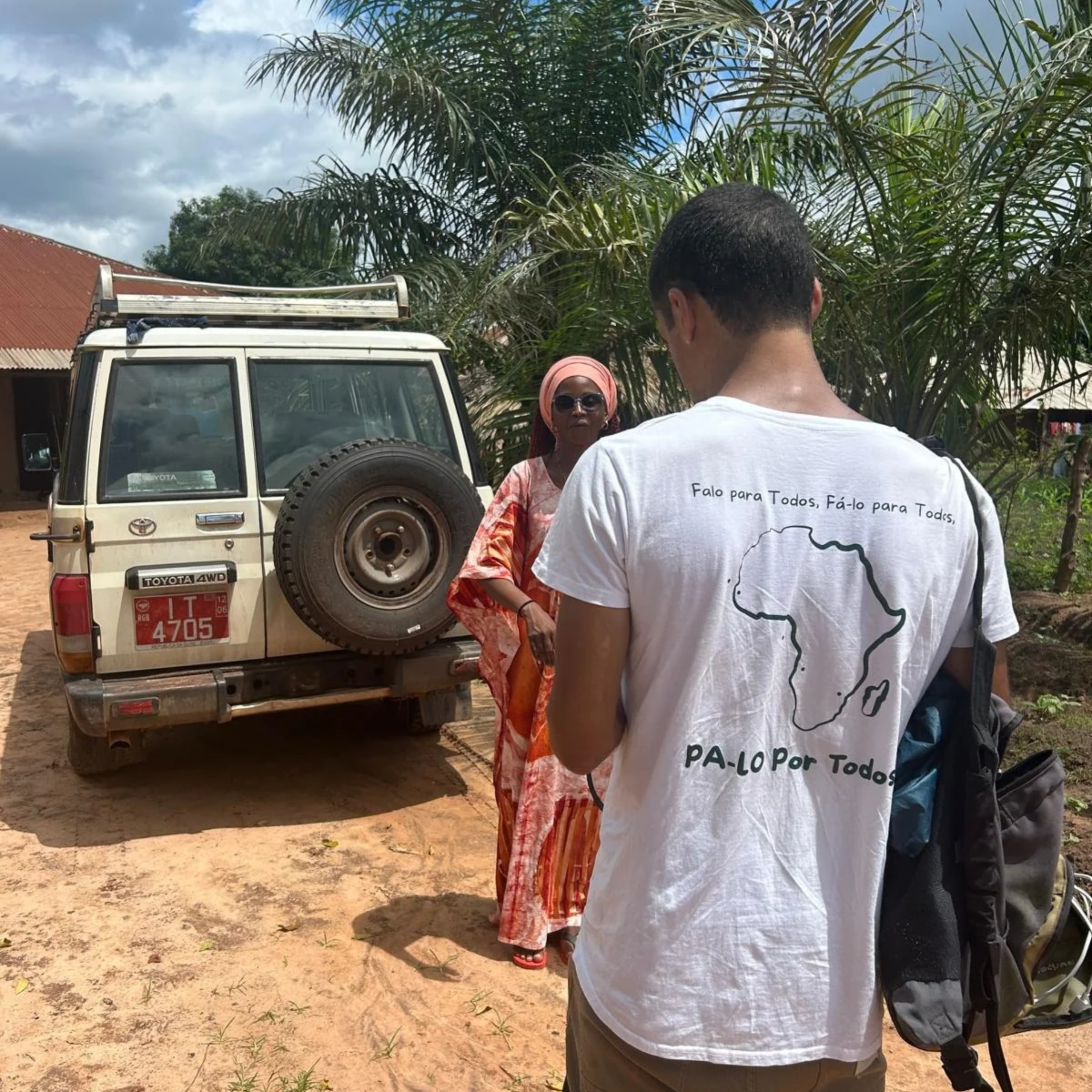
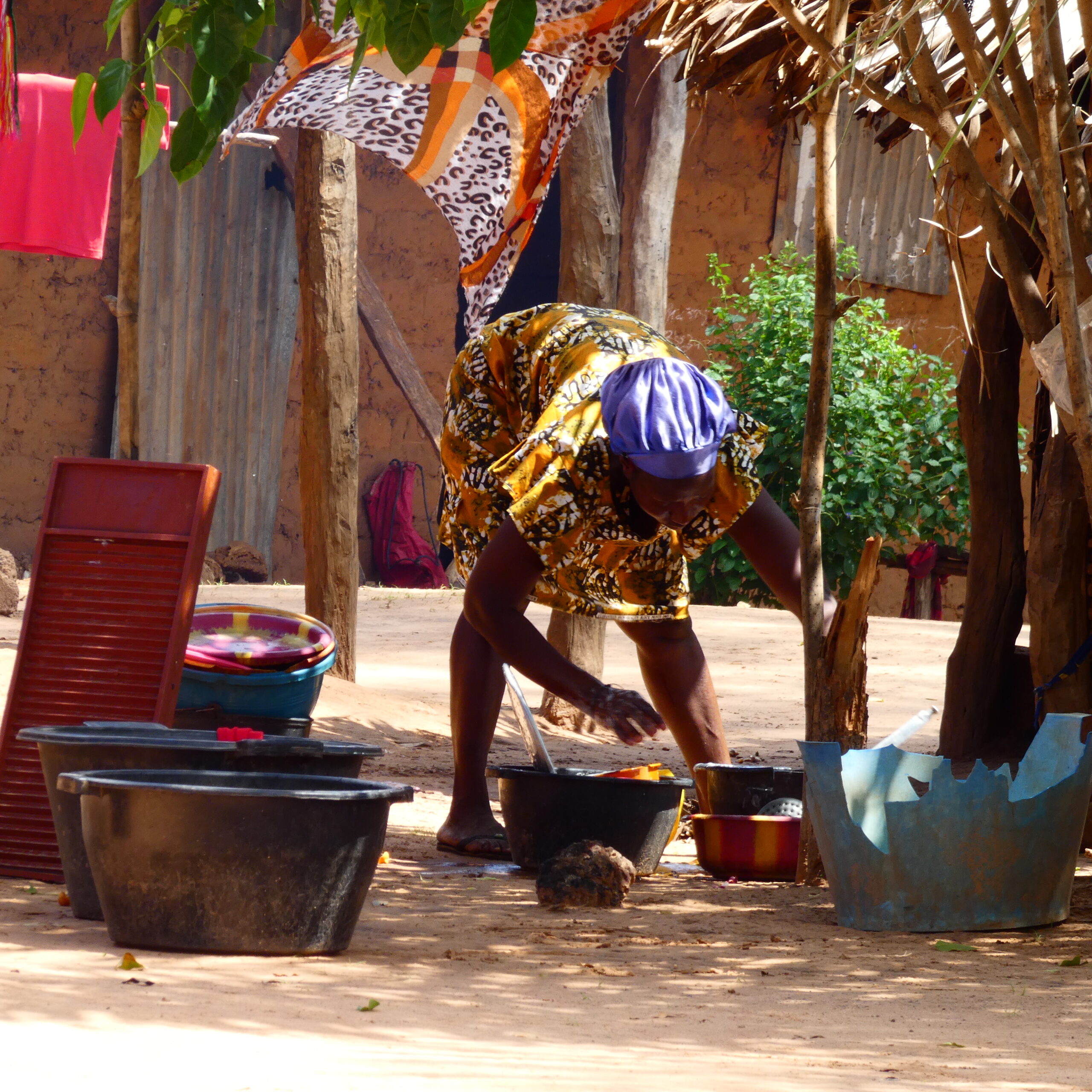
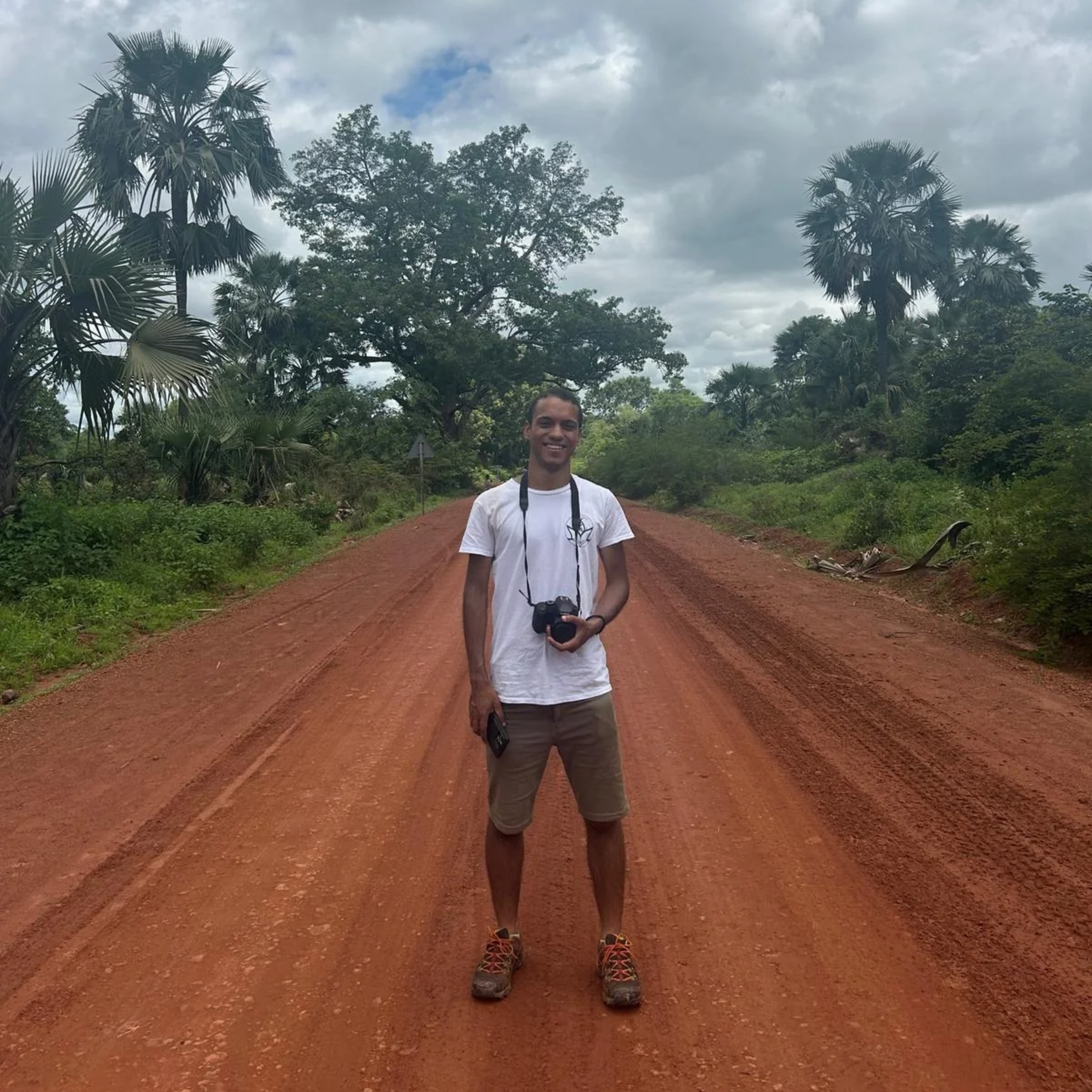
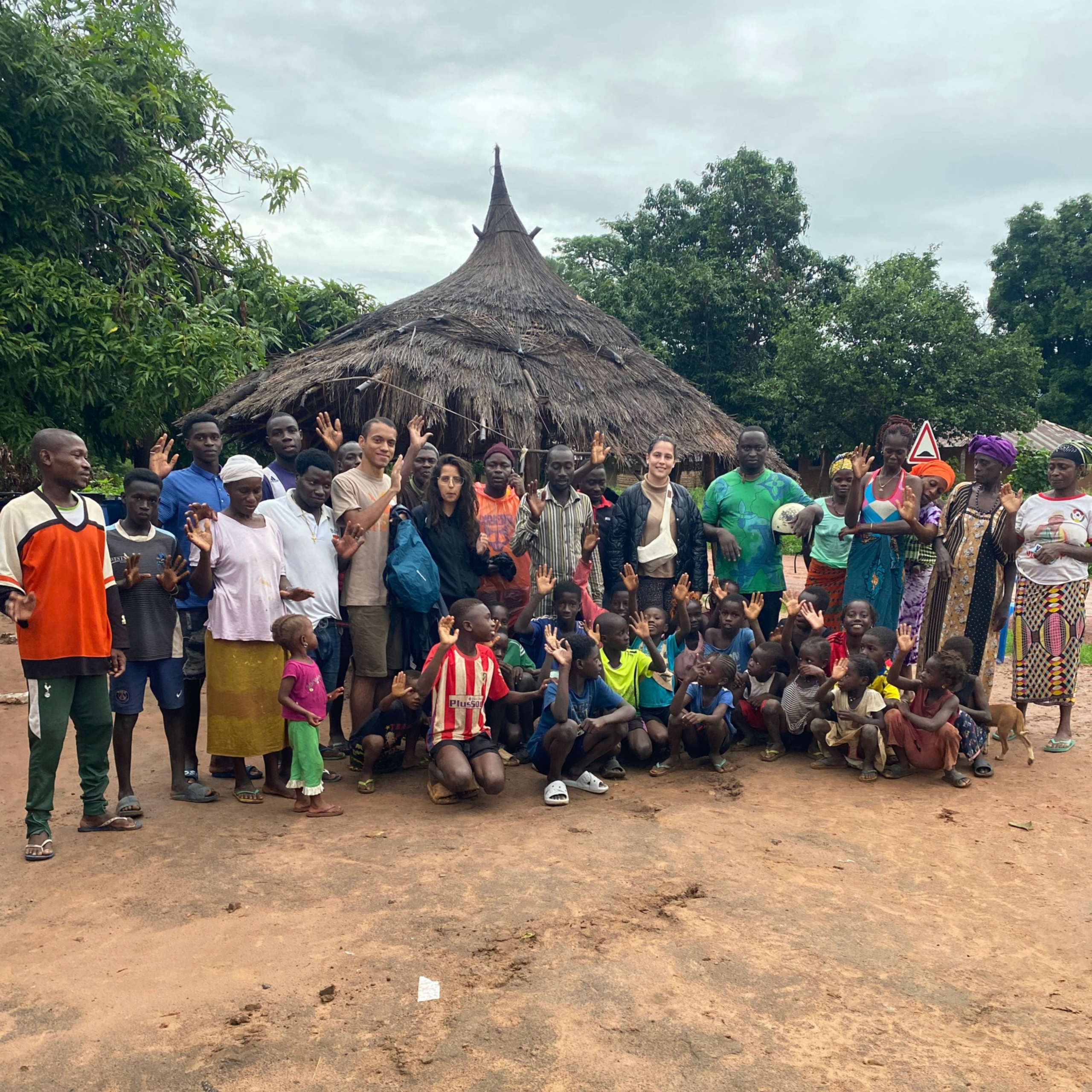
In this region, you’ll find many tabancas (traditional villages), each with its own unique characteristics. If you have some extra time, I highly recommend exploring this area for a truly authentic Guinea-Bissau cultural experience. In my case, I travelled with Associação Protege to take part in an awareness-raising campaign against female genital mutilation (FGM), early marriage, forced marriage and violence against children. I had the opportunity to meet and interact with many village leaders and learn about ways of life very different from those we’re used to. It’s definitely worth the visit.
We took a toca-toca (shared minibus) from Bissau to Ingoré, then travelled by motorbike to Bijene, where the different tabancas (traditional villages) are located. In Ingoré, we stayed at Hotel Quinzinho. Personally, I wouldn’t recommend it. Considering the conditions (no running water, cockroaches and mosquitoes in various parts of the hotel), it was rather expensive. Nevertheless, as it’s the only hotel I know of and, as far as I’m aware, the only one in the area, I’ll leave its contact details here.
When to Go?
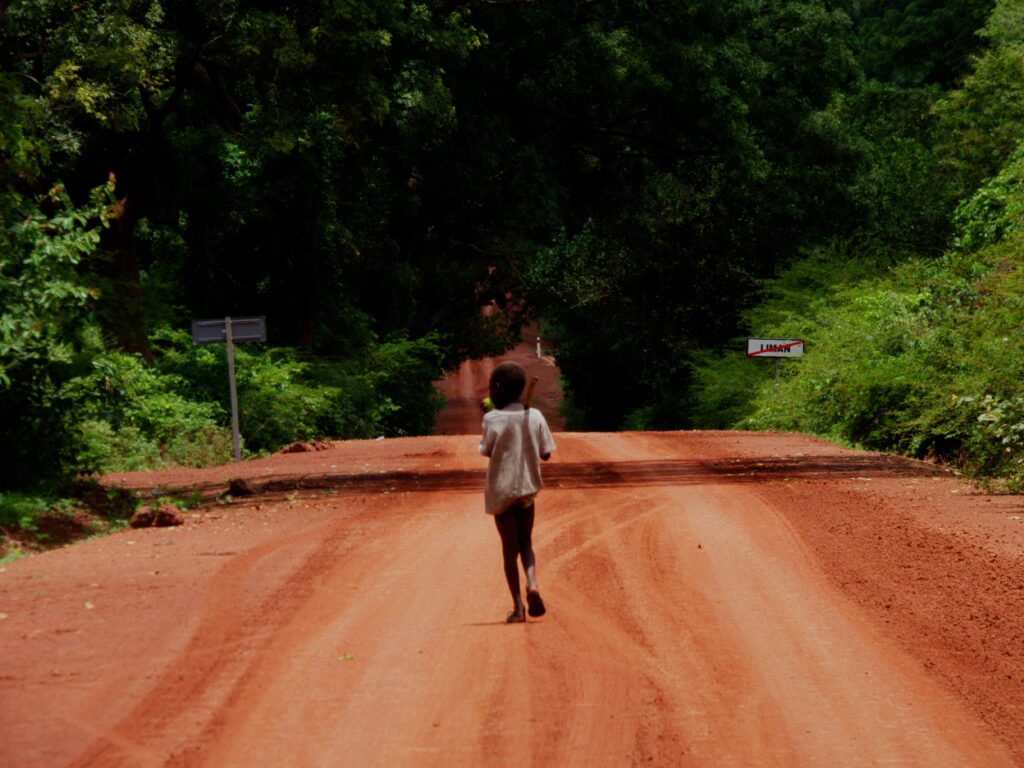
In Guinea-Bissau, there are two seasons: the dry season (December to May) and the rainy season (May to November). In my case, I travelled in July, right in the middle of the rainy season. During this period, the Bijagós Archipelago is practically closed to tourism, and travelling by road becomes extremely difficult due to the heavy rainfall combined with the poor condition of the roads.
My advice is to visit Guinea-Bissau during the dry season.
Accommodation
- Casa Cacheu (Bissau €) – Budget-friendly rooms in the centre of Bissau, just 200 metres from the Presidential Palace and close to Bandim Market and local restaurants. Rooms feature air conditioning and Wi-Fi, and the property also has a courtyard and garden.
- Tchada-Duplex (Bissau €€) – Located just a 2-minute walk from the Presidential Palace, a 15-minute walk from the Couqueiro handicraft market, a 5-minute walk from Simão Mendes Hospital, a 3-minute walk from Império pastry shop, and a 20-minute drive from Osvaldo Vieira Airport.
- Hotel Coimbra (Bissau €€€) – Located in one of the city's most prestigious neighbourhoods, next to the cathedral, the hotel was created through the restoration of a former colonial house.
- Dalilann (Bubaque €) – Located right on the beachfront in Bubaque, Dalilann features a garden and a 24-hour reception. All rooms come with a private bathroom and bed linen. (This is where I stayed!)
Transportation
“The boat is rocking a little more now, but it’s still calm, without any major jolts. So much noise, hustle and bustle, shouting and conversations. You can really feel the energy of the African people.” (20 July 2025)
Mercedes cars dominate the streets of the capital, especially taxis and "toca-tocas". They're old vehicles, but they still get the job done. You can share a ride with a local and enjoy a good conversation, or travel on your own or with your companions. By sea, you have the Consulmar Ferries , which will take you to the paradise of the Bijagós Archipelago.
“Toca-toca”
“Toca-tocas” are the most common form of transport among residents of the capital. There are plenty of them, and they serve the needs of the local population. They’re the cheapest option, but be prepared to find yourself sharing the ride with more people than you might expect! I used this form of transport several times and found it safe.
Within Bissau: The fare is always the same, around 150 CFA francs per journey (approximately €0.25), regardless of your destination. There are several minibuses operating different routes, so make sure to check where each one is heading.
Bissau to Ingoré: This is a rather uncomfortable journey due to the poor road conditions. It took me around 4 hours to cover just 80 km. The minibus was clearly operating well beyond its intended capacity: although it was theoretically designed to carry 9 passengers, there were around 25 people on board. The round-trip fare was 5,000 CFA francs (approximately €7.56).
Taxi
Boat
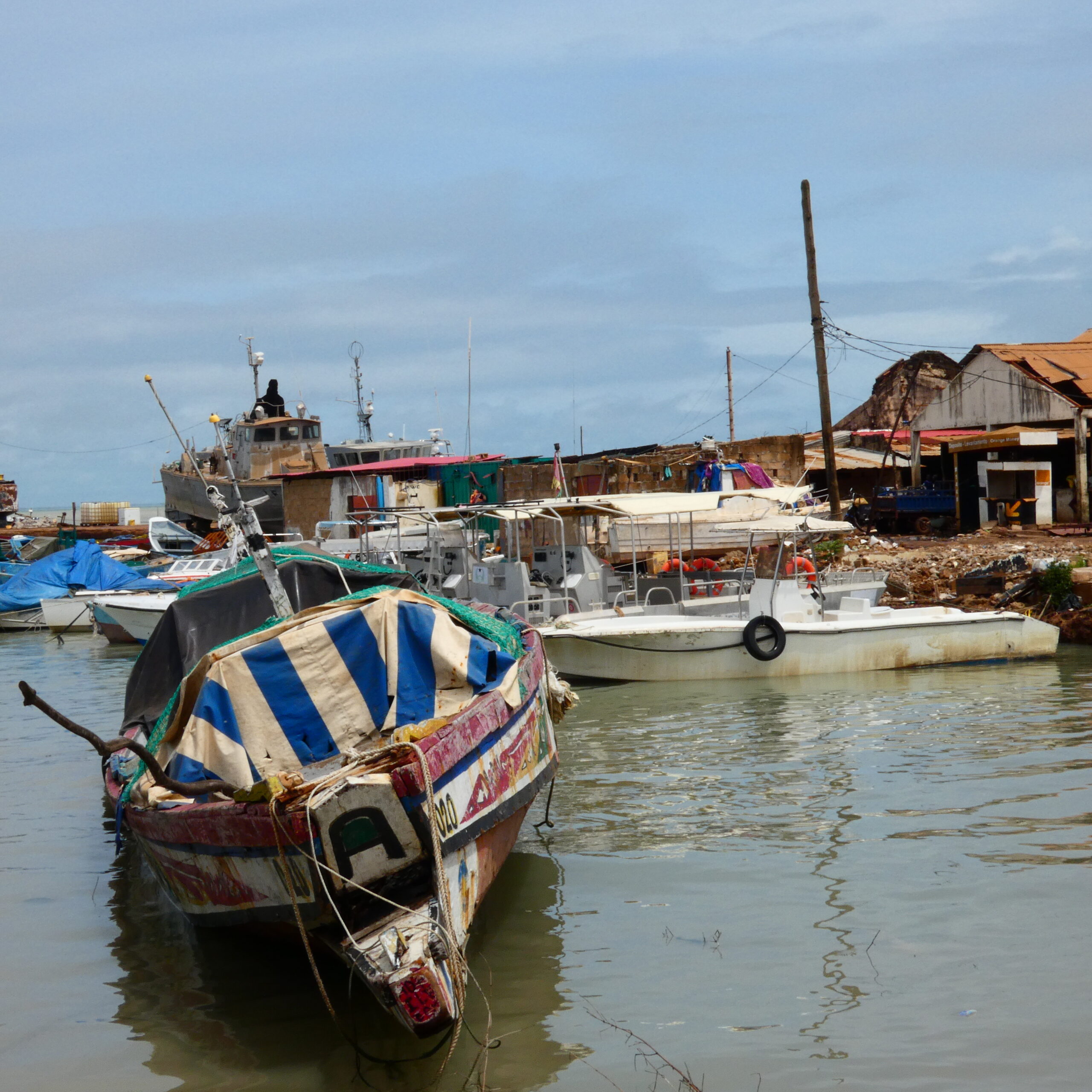
The journey from Bissau to Bubaque is fairly manageable and generally comfortable enough. There are three travel classes, and I opted for the cheapest one. The outbound journey was pleasant, while the return trip was quite uncomfortable. In the end, it’s a bit of a matter of luck. Either way, you can choose between the three classes. A round-trip ticket costs 10,000 CFA francs (approximately €15.20). The ferry departs on Fridays and returns on Sundays.
As for the other islands, since there is no regular transport service, you'll often need to rely on private transport, which is more expensive. There are also canoes operating between Bissau and Bubaque, or between Bissau and Bolama, but safety standards are significantly lower than those of the Consulmar Ferries .
What to Eat?
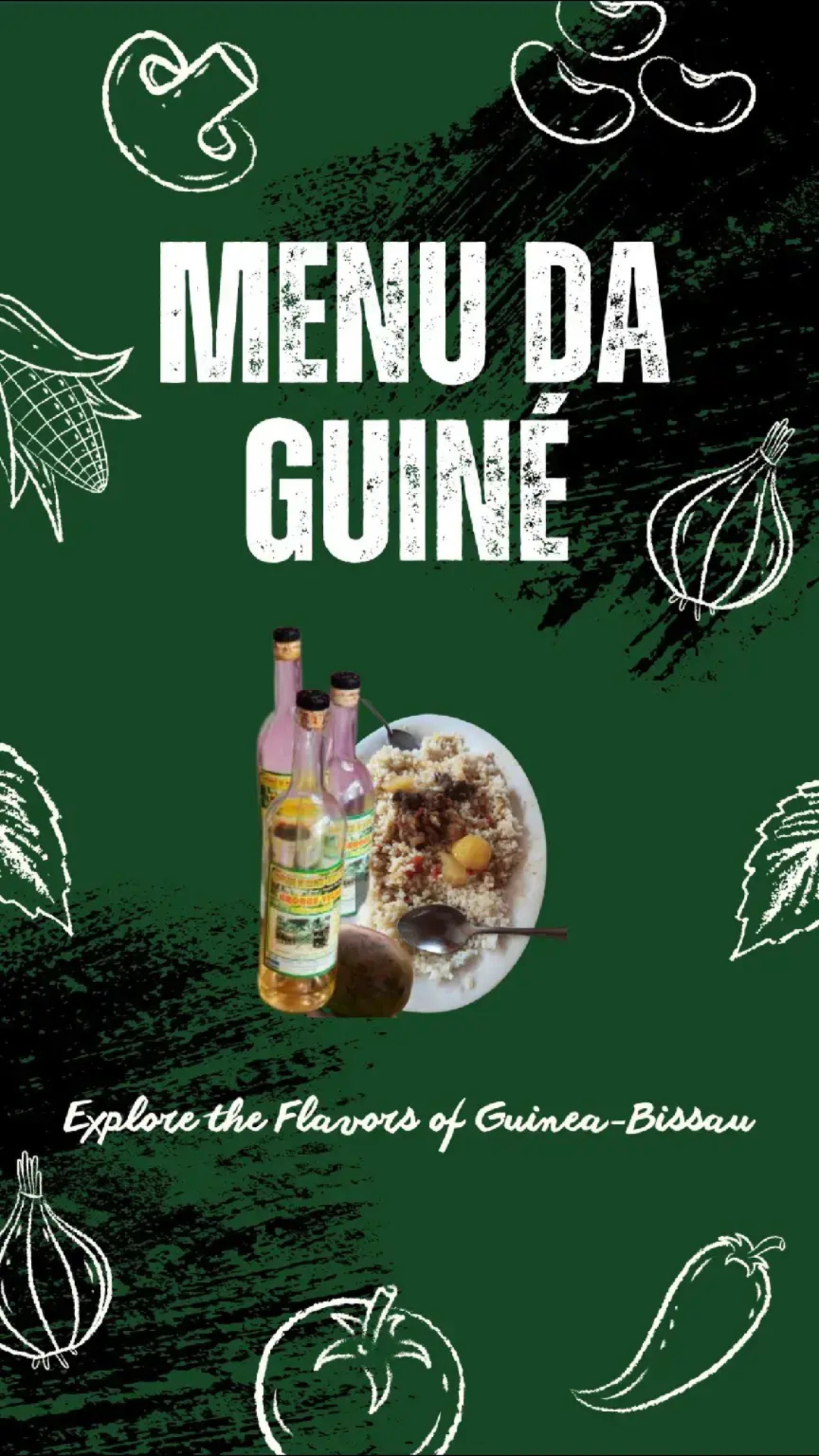
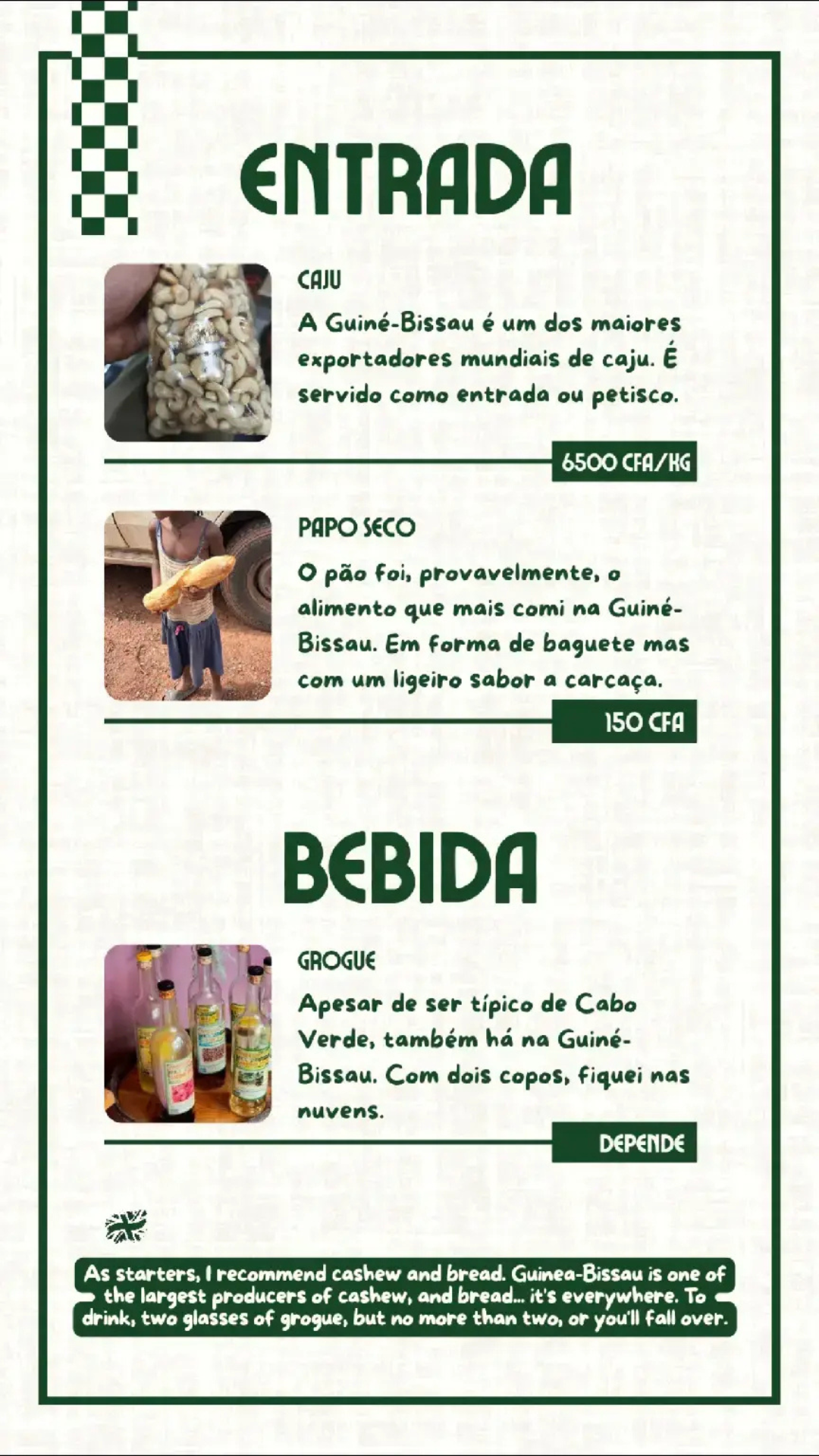
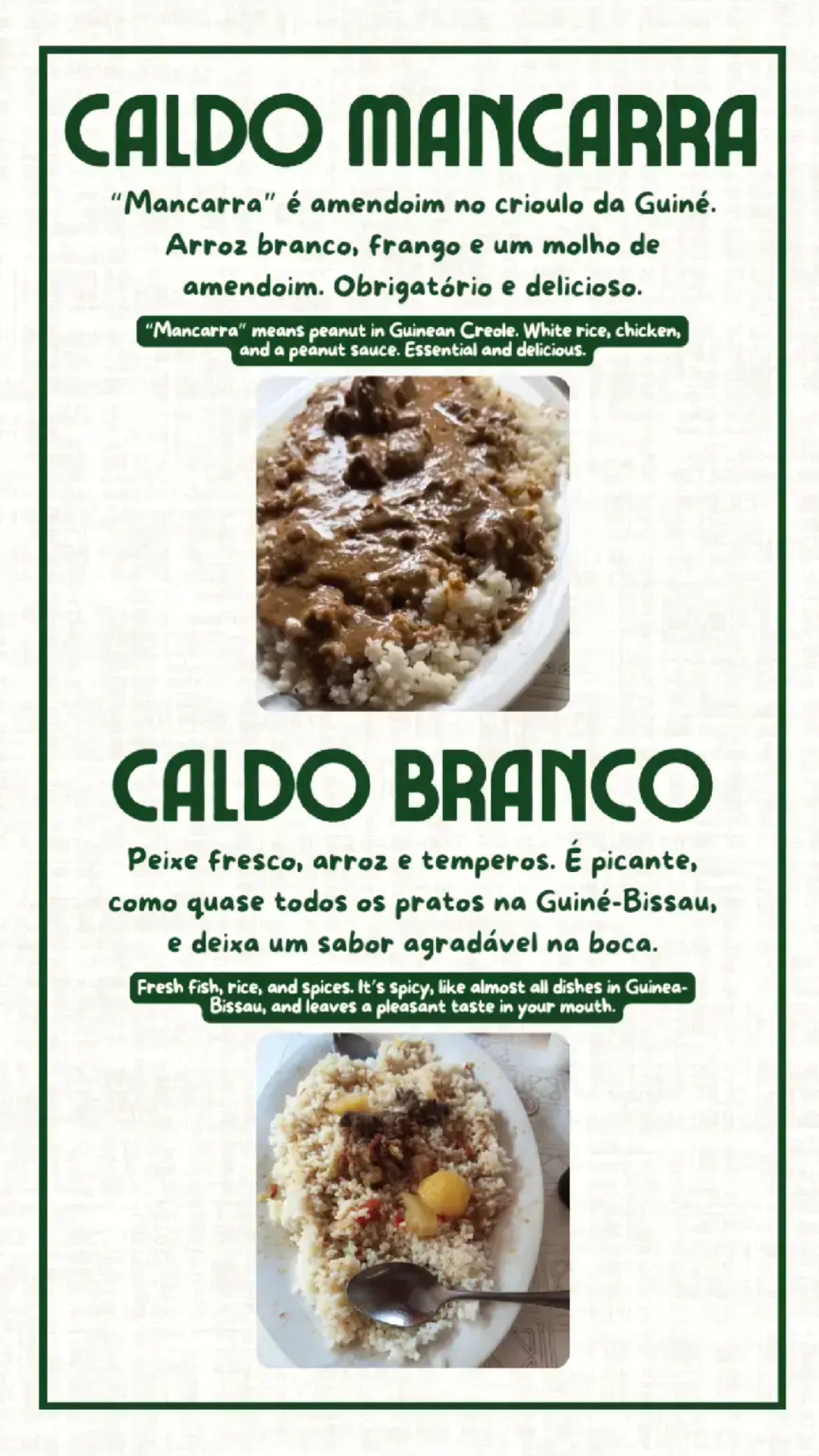
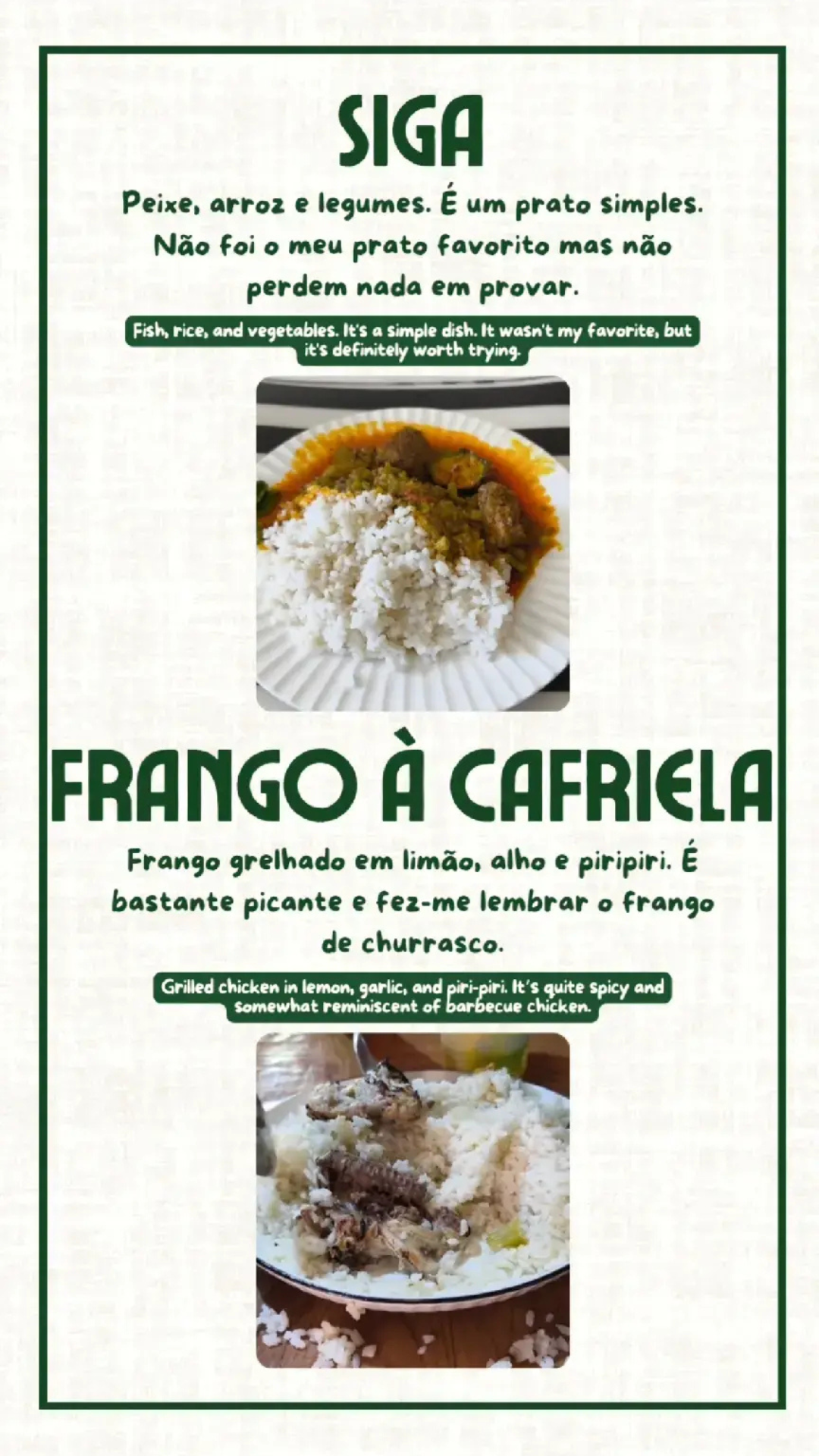
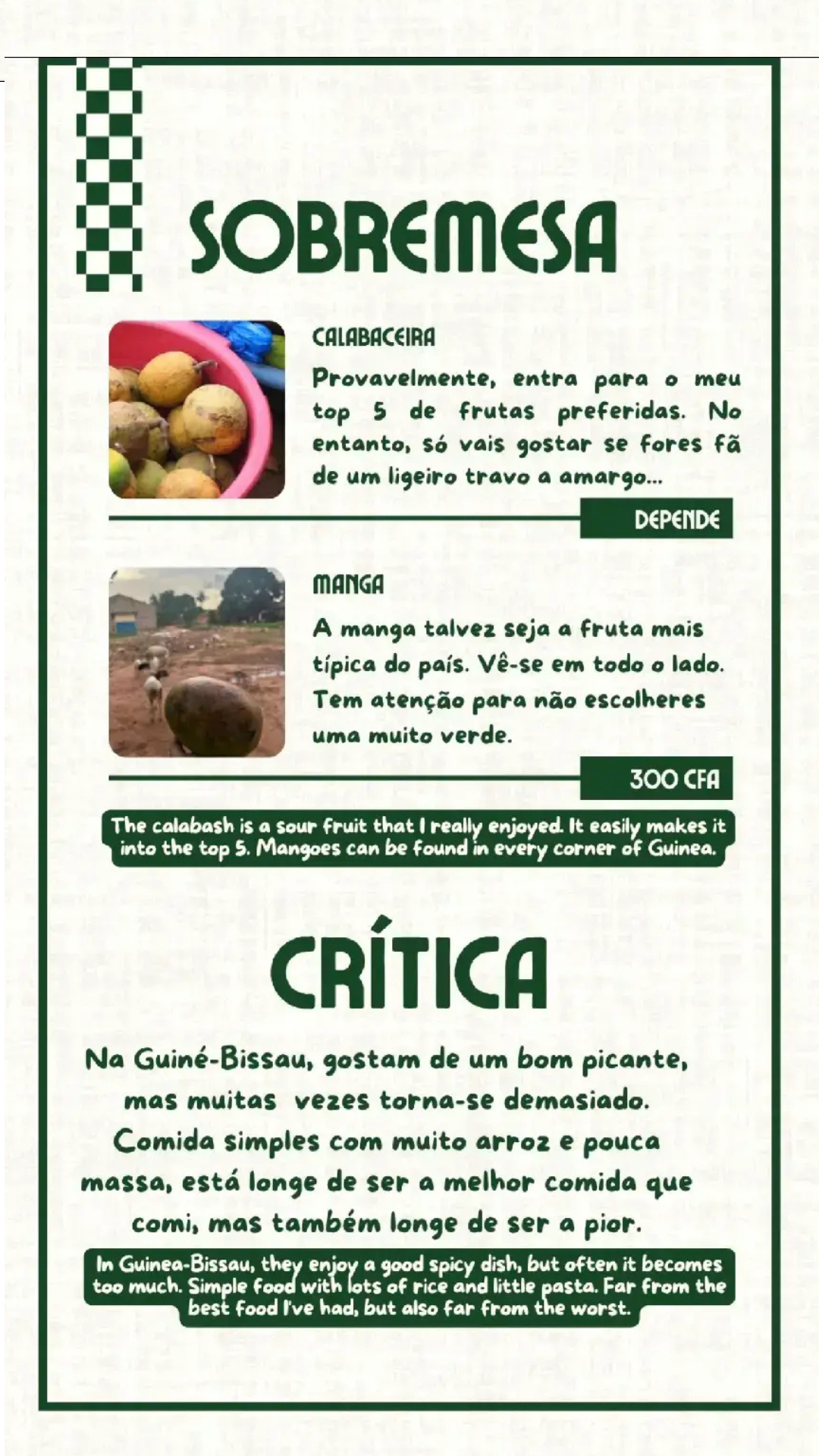
In Guinea-Bissau, people love their spicy food, although sometimes it can be a little too spicy! The cuisine is simple yet full of flavour, with plenty of rice and very little pasta. It’s far from the best food I’ve ever had, but also far from the worst.
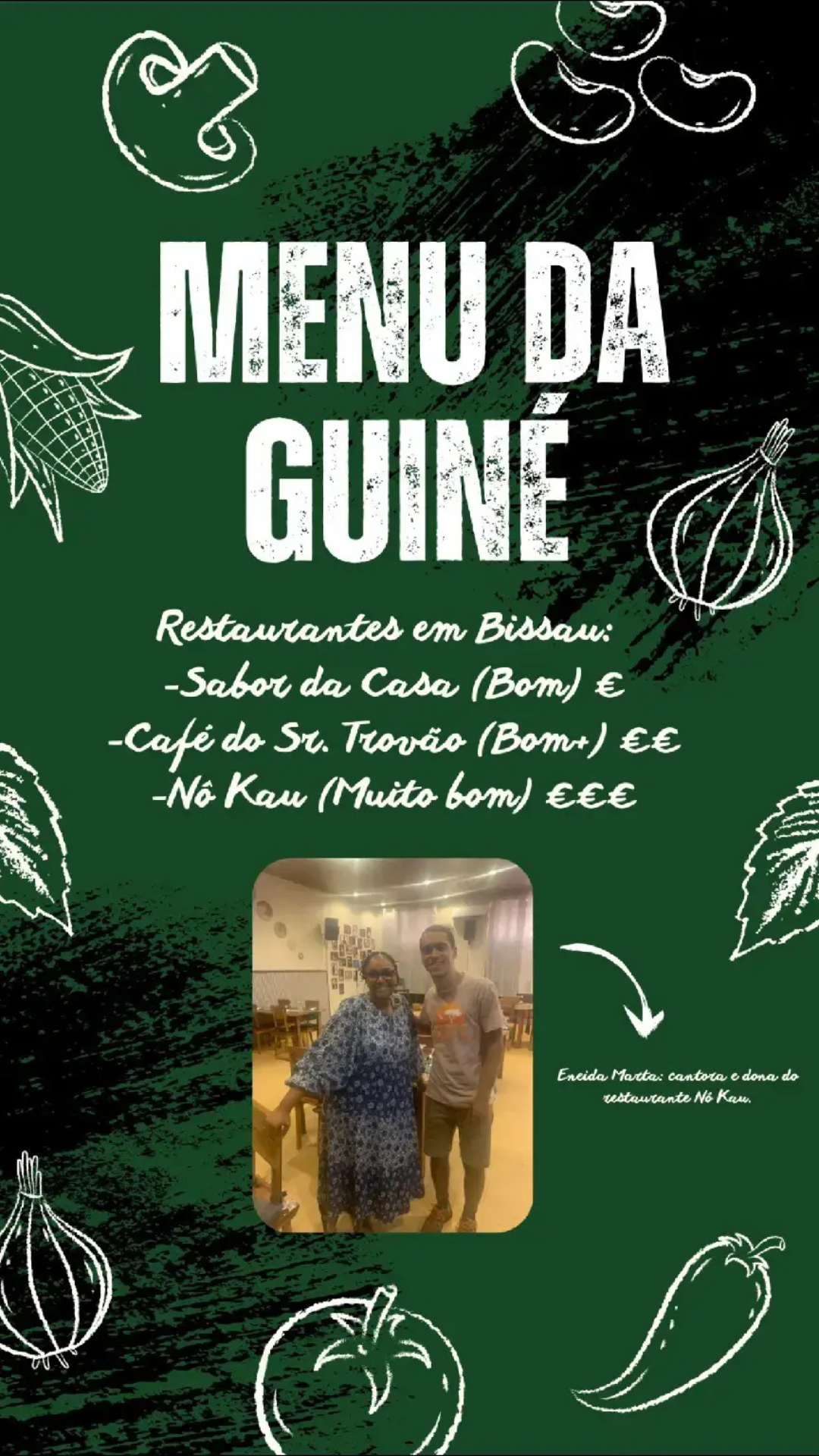
As for restaurants, I recommend Sabor da Casa (in Bairro Militar), Café do Sr. Trovão (in the city centre) and Nô Kau (also in the city centre). In Bubaque, there was only one restaurant open during my stay. However, I wouldn’t recommend it, as it was far too expensive for what it offered and nothing particularly special.

Visa
If you're planning to visit Guinea-Bissau, you'll need to obtain a visa. To do so, you'll need to visit your nearest embassy or consulate. In my case, as I live in Lisbon, I applied for my visa at the embassy. In my article PALOP Visas , I guide you step by step through the process of obtaining a visa for Guinea-Bissau.
Travel Insurance
Don't risk yourself or your h/wealth. Step outside the usual. Sandra Monteiro Insurance Mediation offers the best options to help you save money on your travel insurance. They compare different insurance providers and choose the one that offers the best coverage at the best prices.
- Mandatory Vaccine: Yellow Fever.
- Recommended Vaccines: Hepatitis A and Typhoid Fever.
- First Aid Kit: antimalarial tablets, insect repellent, sunscreen, antidiarrheal medication, band-aids, disinfectant (hand sanitizer), headache tablets.
In any case, you should have a travel consultation with a doctor before setting off on your adventure.
Internet
Holafly offers unlimited mobile data plans through eSIM technology. If your phone isn't compatible with eSIMs, you can buy a local SIM card when you arrive in Guinea-Bissau.
Currency
The official currency is the West African CFA franc (XOF). You can check the current exchange rate on XE.com . There are a few ATMs in Bissau that accept Visa cards, but they don't always work. I don't remember seeing any in other parts of the country. For this reason, I recommend bringing some cash with you.